


I know a place. Democrats and Republicans laugh together in the same room. Atheists and Catholics nod in agreement as they discuss spiritual principles. The same room took me in homeless. Drunk. Desperate. It took me in dressed for work. Holding my baby daughter. When I led the gathering. Same room. Same chairs. Same coffee. Same welcome.
I started this essay sure I had found something that might actually work. After years of writing about extractive structures, I see now how unusual my experience had been.
Almost 17 years ago I walked into a fellowship with members and meetings all across the world. I stayed a part of this community for over a decade. It had somehow engineered around the failures I diagnose in most institutions. I wanted to show how the architecture worked. I thought I was writing an appreciation.
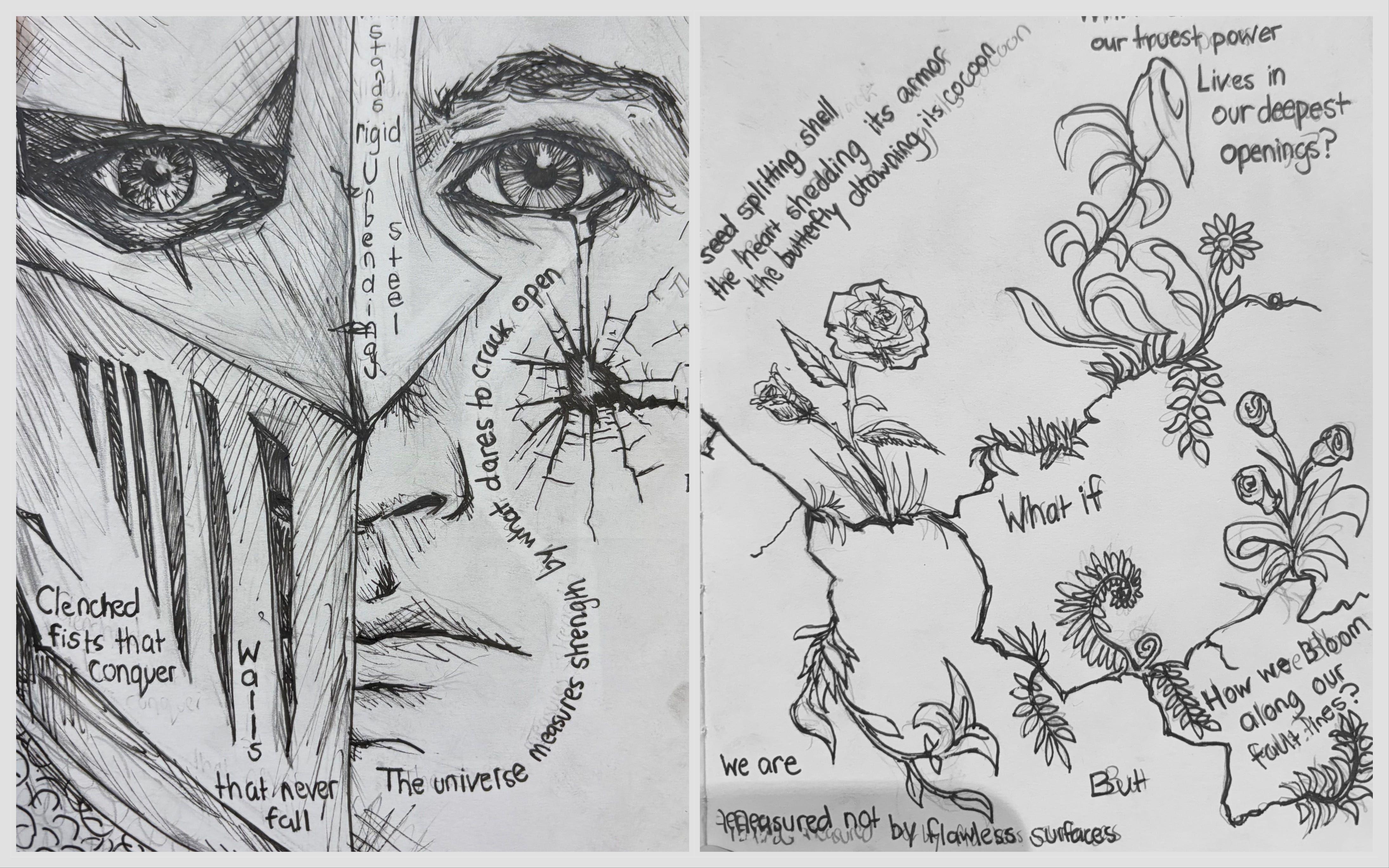
Then I saw the hairline crack in the windshield. What began as appreciation spread, left lines in the pane, then broke it. The world I had been witnessing from behind glass rushed in. I felt what I had only seen. The scene deepened. I want to tell you what broke — and what the breaking made.
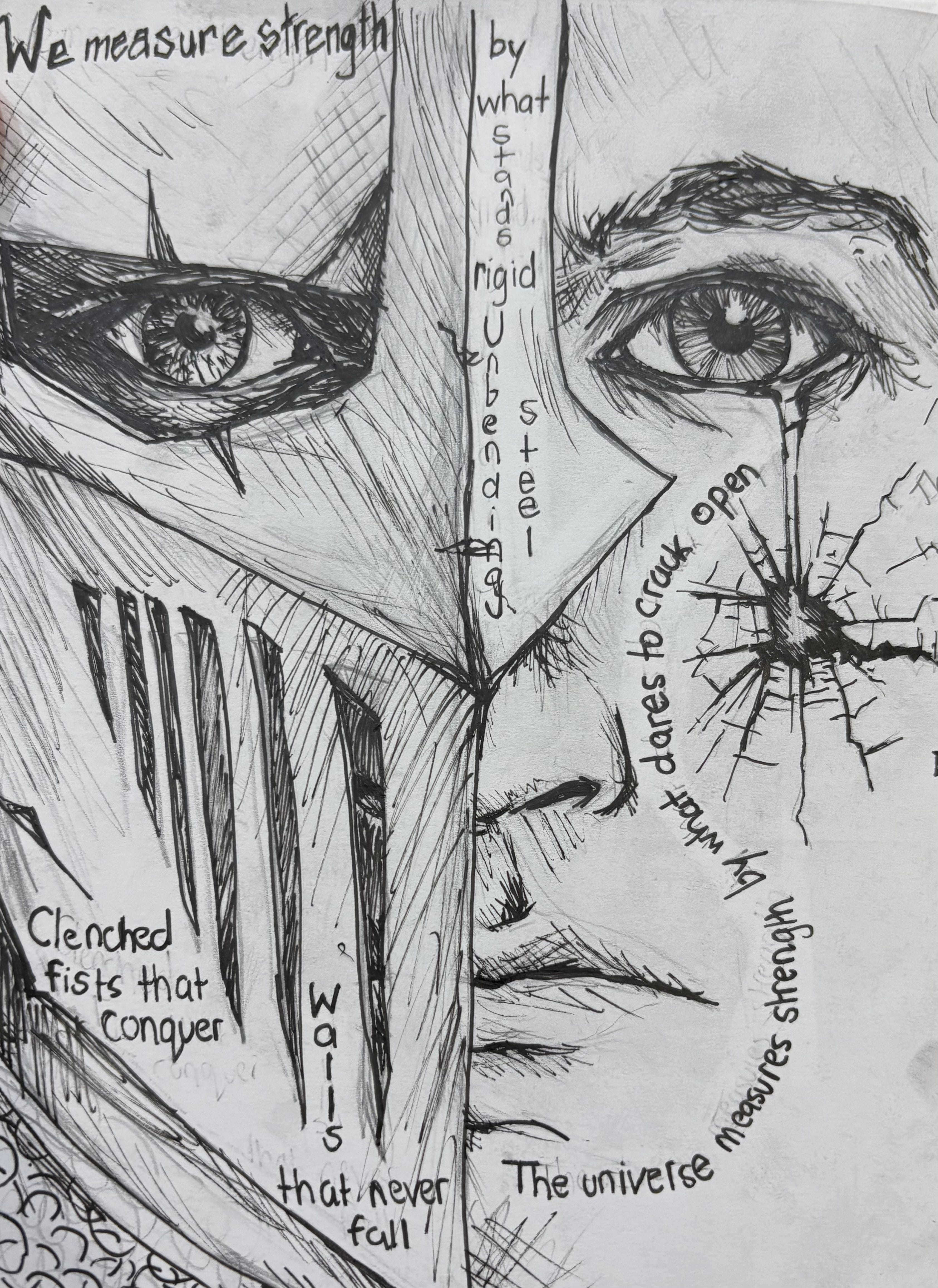
I am talking about Alcoholics Anonymous.
If something tightened in you reading that — oh, this is one of those essays — feel it. That tightening is what this essay turned out to be about. You just made a cut. You decided what kind of essay this was before you knew anything but the name.
The room I am describing has a phrase for the cut. They call it identifying out. Membership means learning to do the other thing first.
Early in the rooms I heard something said out loud that I had always known. We notice differences before we notice likeness. The old-timers called it a choice. I thought this was just the way things were.
The choice:
Identify in: Find the shared blood underneath the surface. The fear, the want, the hurt.
Identify out: list the details that do not match. They smoked crack, I drank. They are gay, I am straight. They are Catholic, I am an atheist.
We are a diverse pile of snowflakes. We are also frozen water. That came out softer than I meant. I surprise myself.
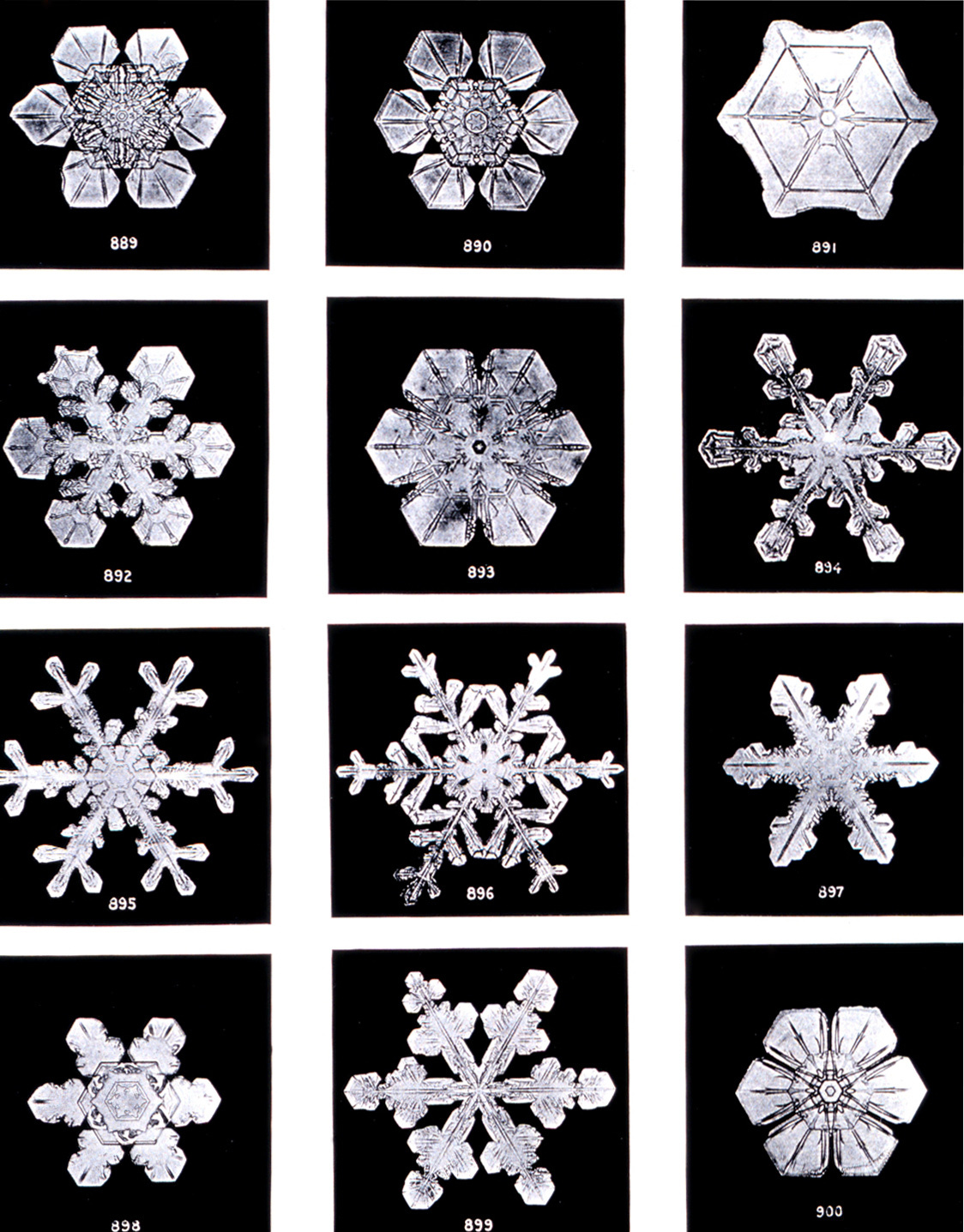
Identify-out is how we honor the specifics. The Catholic stays the Catholic. The atheist stays the atheist. A community that flattens those details is asking for compliance. Membership lives in identifying in. The problem starts when identify-out runs alone. Without ground beneath it, every difference becomes a wall.
The ground in AA is small.
The only requirement for membership is a desire to stop drinking.
One sentence. Not a creed. Not a politics. Not a belief. One want. Narrow enough that drift shows up the moment it starts.
Next to the ground sits the suggestion:
Take what works for you and leave the rest behind.
You are the filter. The room will not do it for you. Everything above the ground is yours.
Most communities ask for more than the work needs. The ask kills them. AA asks for one thing and hands you the knife to cut the rest. The ground stays small because the cutting is built in.
This is why the room holds Democrats and Republicans. Atheists and Catholics. The homeless and the put-together. The ground does not reach high enough to catch the disagreements. They stay personal. Personal is where they belong.
Then the room does its work. The Steps read aloud. The Traditions read aloud. The Serenity Prayer at the end. Same words, same order, every meeting. That is the spine. Then the sharing — each person has the opportunity to speak what they walked in carrying — and then the room ends. People walk out. What was said stays in the room. The room does not keep it. No minutes. No transcript.
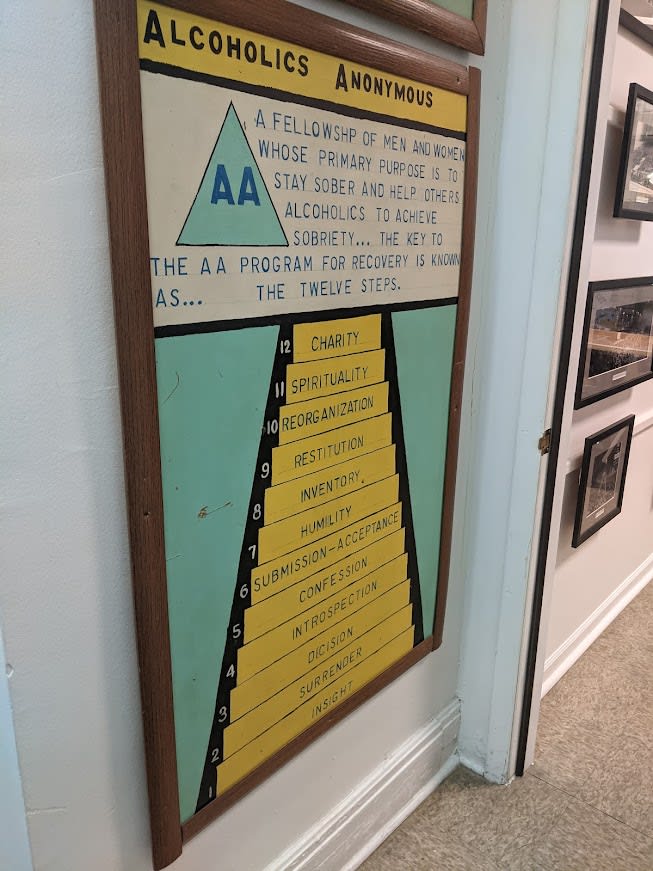
And one more thing. The room has no graduation. It has a reciprocity gradient built in. The newcomer with thirty days is already making coffee, setting up chairs, greeting the person who walked in tonight shakier than they did last week. Service positions rotate. Sponsorship gets offered as soon as the work has been done to give. The giving is part of the structure. You give from where you stand. What you have, while you have it, turns out to be exactly what the next person an hour behind you needs.
This is the architecture I wanted to write up. Ground small enough to honor. Cutting wide enough to free. Repetition that surfaces the ground. Release that drops what no longer fits. Reciprocity from early on. Most communities cannot pull off one of these. AA pulls off five. I have watched it work, on me and through me, for years.
This is the essay I thought I was writing. Then I tried to write the next sentence.
The next sentence was supposed to be about digital platforms. Posts persist. Accounts persist. The system has no exhale.
I sat staring at the blinking cursor, suddenly aware that I was about to do to AA what I have spent years accusing other institutions of doing to the rest of us. I was about to use it.
So I looked at AA the way I look at any structure I am about to use as a foil. Same rigor. Without the cover of having been saved by it.
Bill Wilson, who cofounded AA and wrote most of its core literature, stayed sober for thirty-six years and was a serial adulterer the whole time. He carried on a long affair with a woman he met in the rooms. After his death the organization quietly continued financial support for her. The Oxford Group, the evangelical soil AA grew from, was led by a man who praised Hitler in 1936. God as we understood Him, a qualifier in several of the steps of the program, was a strategic broadening of the appeal — that is in Wilson’s correspondence.
The anonymity that lets the desperate walk in unseen also lets predators walk in unseen; in the rooms it is called thirteenth-stepping. Court-mandated attendance revealed that what I had wanted to call purely engineered was, legally speaking, religious enough to violate the Establishment Clause.
Every feature I had celebrated had its shadow twin.
Partway through writing about AA’s architectural integrity, I noticed I was doing the thing I catch others doing. I had been applying one standard to structures that had not served me and another standard to one that had. The honest version of my own framework would have surfaced the harder material on the first pass. The act of writing forced me to it.
It is easier to find the errors in a structure I am not invested in than to find them in one that has fed me.
I know this in the abstract. I had not seen it work this cleanly in my own writing. The drafts of this essay I was proud of were doing it. The architecture argument was true. It was also covering, by being true.
This is what my own work would have predicted if I had aimed it at myself. I write about extraction. About growth-metric thinking. About communities that mistake accumulation for health. The pattern I diagnose in others: the structure cannot see what its own design is costing. I was the structure. I had a design — the architectural appreciation — that kept me from seeing what the design was costing in honesty.
Three things came out of the discomfort. I want to say them plainly.
The architect is not the architecture. Bill Wilson slept with women in early recovery while writing the Steps that have helped millions of people stop drinking. Both true at once.
The architecture is not the lived experience. The design is one thing. A specific basement on a Tuesday night in 2026 is another. Your day in that room is a third. The framework cannot hold all three without admitting it.
What helps one person can harm another, produced by the same design. The anonymity that lets the desperate walk in unseen also lets the thirteenth-stepper hunt unseen. Same feature. Same room. Both at once.
What stayed, after all of this came in, was discernment — the actual practice the essay had been describing and failing to do. The room teaches it as something the newcomer learns. I had to learn it about the room. About my writing about the room. About myself.
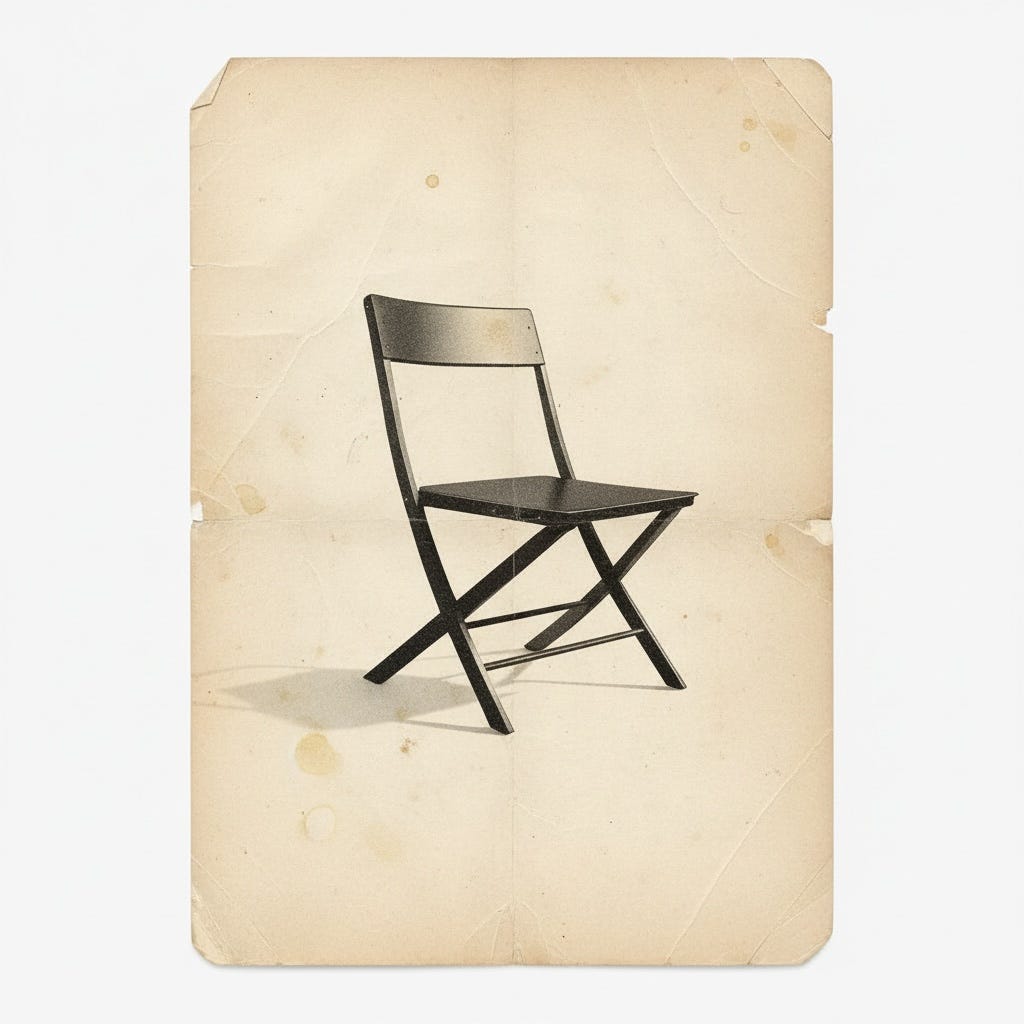
I have not been to a meeting in years.
I should say that more carefully. The program is the Steps and the fellowship. Meetings are where the fellowship gathers in its most visible form. The meeting is to the program what a church service is to faith — a gathering shaped by the thing. The thing itself lives elsewhere. I stopped going to the gathering. The program continues. That is the honest version of where I actually am.
The pandemic moved everything online. I went for a while. Then I stopped going.
Why did I stop? The honest answer took me a while to find.
I stopped going because I could.
That is the most honest sentence I have. The program lived in me already. The Steps had done what the Steps do.
When I think of returning, I feel fatigue. Two children, five and seven. Full-time work on a sales floor. Writing that asks more of me than I sometimes have. The day eats itself. There is very little of me left over.
The fatigue is information. It is the same instrument that once told me something was wrong when I was drinking. It is telling me now that the margin is gone. I am listening to it. That is also the program.
What I did, when I was inside the rooms, was this. I sponsored men who are still sober (sponsoring is the process of guiding another recovering alcoholic through the twelve steps). I sat with families at funerals for friends who did not make it. I carried meetings into hospitals and rehabs. I did the Steps. The Steps are work. A written confrontation with your own life, witnessed by another person. Done honestly and thoroughly, they change who you are by the time you finish.
I started giving back inside the first year. The architecture wanted me there. Within a year of walking in I was sitting across from someone newer than I had been, asking how they were and meaning it.
The architecture I have been writing about is more than a holding cup. It is a transmission. The room held me while I was learning to help hold others. The holding of others is part of what completed me.
There is no plaque on the wall with my name on it. There is no record. The men I sponsored may not say my name in the rooms now. They are alive. The families I sat with are still in the world. The work the work was for is done.
What I am doing now is also the program.
The way I parent. The way I write. The way I move through a workplace that has no idea any of this is in me. The program lives wherever someone is carrying it. The church basement is one room. The other rooms — my kitchen, my keyboard, the sales floor, this essay — are where I am now. I am in those rooms.
This is what good parenting feels like in hindsight. I have only ever felt it that fully from a room of strangers. I am trying to give it to my own children now, in a house with no architecture but the one we are building.
The room is still there.
I could walk back any Tuesday. Nobody would ask where I had been. The architecture is built for that — no rolls, no dues, no excommunication, no shame about absence. You can leave and return without explanation. This is the same architecture that lets the desperate walk in unseen. Newcomer or oldtimer back after twelve years — the room treats them the same. Both are just people who showed up.
The architecture worked. I am proof of it. So are the men I sponsored. So is the family I am trying to build with what the room taught me. The remove is the love. The program loves you enough to let you become someone who could leave it and still be inside it.
I might go back. I might not. The fatigue will tell me. The fatigue is also the program.
-Fire tongue 🔥
If something in this landed, the most useful thing you can do is send it to one person who would understand it — not five. One. The room I described is built on small, specific transmissions. This is how essays travel honestly.
I write about extraction, language, and what gets cut off before it can finish. If that’s useful to you, subscribing makes sure this transmission reaches you.
This is such an important essay for today.. Feelings of the ground shifting beneath us will no doubt lead many more to search for such “rooms” —thanks for the reminder to use discernment and to consider the shadow side. I have experienced similar paradoxes in spiritual community in the past - I had never heard some of this terminology - it’s most useful..
You have many great ideas - hope you will have the time and energy to explore these themes further..
So true.