


I've spent ten years on the front lines of the American dream—
—or at least the cheap, paper-thin version you can buy for two bucks. For a decade, I've stood behind a counter watching the state's lottery scam grind away at the hopes of regular people. And after ten years, you don't just see a game anymore. You see how the whole damn country really works.
You see the anger, like the woman who screamed at me, convinced I'd stolen her winning ticket, only to find it in her purse minutes later. You see the sad look in a regular's eye when you point out the trap, and the quick excuse they make to stay in it.
And you see the numbers.
My God, the numbers.
This isn't some corner hustle. It's a $103.3 billion-a-year heist, and it's run by the government itself. To put that in perspective, Americans now spend more money chasing these jackpots than they do on movie tickets, music, sporting events, video games, and books combined.

It's a grift so big we don't even see it anymore.
And its real job isn't to fund schools. It's to slap a hidden tax on the poor and desperate, the very people it pretends to help.
The Indictment
Like any good prosecutor will tell you, a crime has three parts: the means, the motive, and the victim. In the case of the Great American Lottery Scam, the evidence for all three is overwhelming.
Count 1: The Shell Game
First, let's talk about the lie they tell you to make the whole thing feel noble. They say it’s for the kids, for education. That's a lie.
The report calls it a "fiscal shell game". What really happens is that when lottery money comes in for schools, state legislatures just cut the funding from the regular budget. The school budget stays the same, and the state gets to use your two dollars on some other pet project they couldn't get funded honestly.
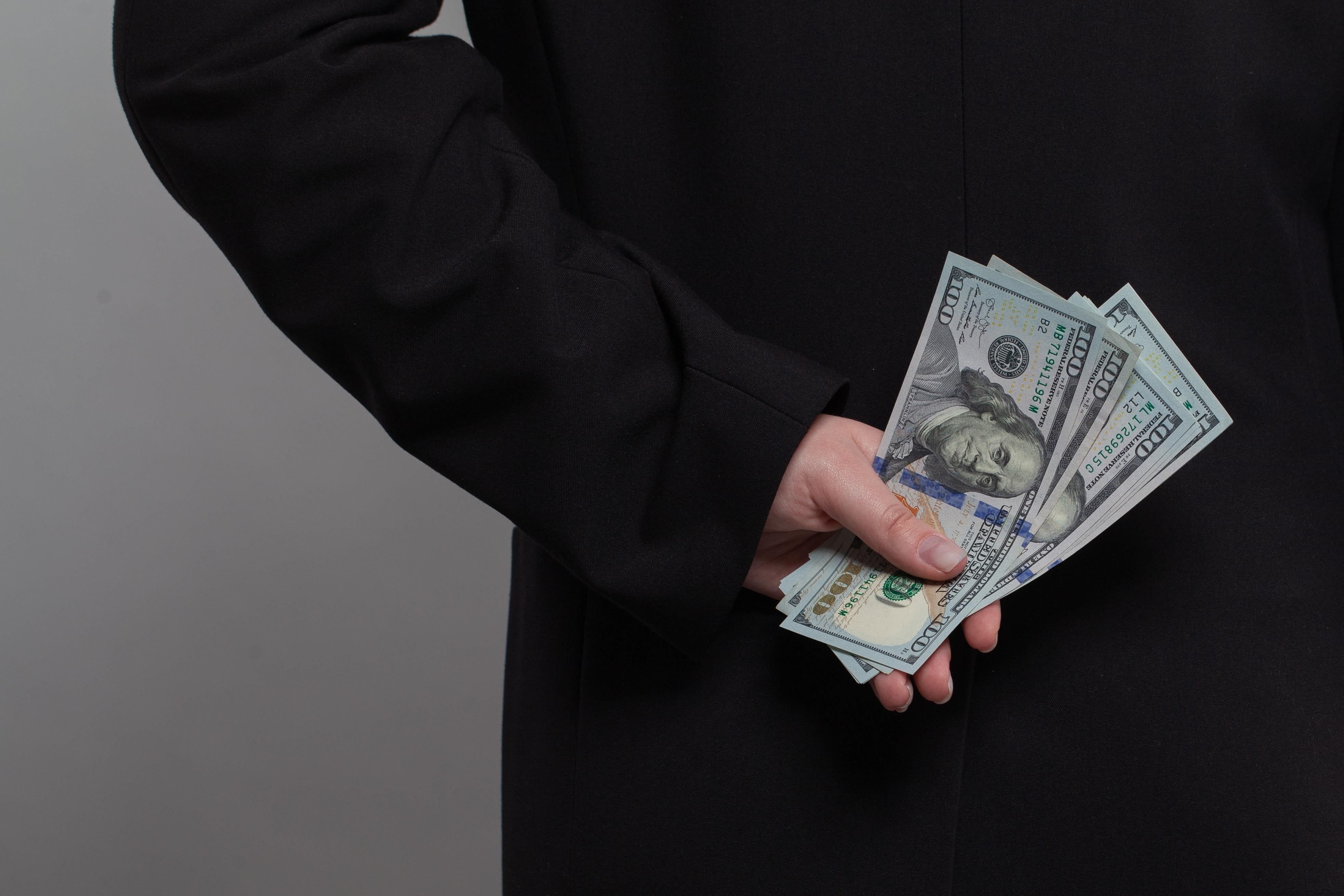
Of the more than $100 billion you spend, only about 29% even makes it to the state in the first place. The rest? It goes to prizes and the massive operational costs of running the scam itself.
Count 2: The Impossible Dream
Next, let's talk about the product they're selling: hope.
The odds of winning the Powerball are 1 in 292,201,388. The odds for Mega Millions are even worse, at 1 in 302,575,350. These odds aren't an accident; they're the engine of the whole business. In 2015, Powerball deliberately made the odds worse for the "express purpose of generating larger jackpots" that create headlines and drive sales. You are, statistically, over 700 times more likely to become a billionaire through normal means than you are to win the Mega Millions jackpot.
Count 3: The Victims
And who pays for this system? Who buys the most tickets?
The answer should make you sick.
The system is designed to be a brutally regressive tax. Households earning less than $13,000 a year spend between 5% and 9% of their entire income on lottery tickets. The poorest households spend an average of $412 a year on tickets, more than four times the amount spent by the wealthiest.
This isn't a coincidence. It's a strategy. Don't just take my word for it. Here is the conclusion from a nationwide investigation by the Howard Center for Investigative Journalism:
...stores selling lottery tickets are disproportionately clustered in lower-income, non-white communities in nearly every state with a lottery... The geographic layout of the lottery system thus functions as a form of structural targeting, ensuring the product is most readily available to the most financially vulnerable populations.
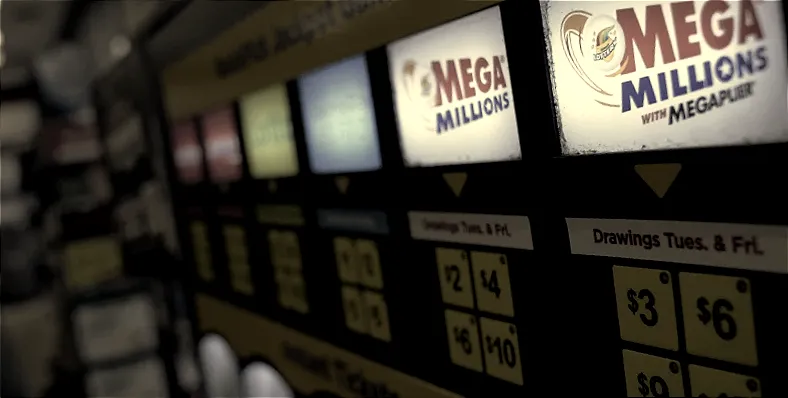
They call it "structural targeting." I call it what it is: predatory.
They put the trap where they know the desperate will find it.
The Permission to Dream
So why do people play? Why do they line up for a tax they don't know they're paying?
It's not because they're bad at math. It's because in a country with crushing inequality, the lottery feels like the only fair game left, a "social equalizer" where a janitor and a CEO have the same microscopic chance to win.
You’re not just buying a ticket. You’re buying "permission to dream" of a life free from financial hardship, a fantasy of escape that feels impossible any other way. The state knows this. And it puts them in a position of what the report calls "profound ethical contradiction": they are supposed to protect their most vulnerable citizens, but instead, they aggressively market a product that preys on their desperation to generate revenue.
They sell you the disease and then they sell you a one-in-300-million chance at a cure.
Which brings me back to the question I ask my regulars, the one that makes them laugh nervously and look away. The one that I’ll now ask you.
So, are you gonna join the problem, or what?
For ten years, I’ve stood behind that counter and watched this machine feed on the hopes of good people. I’ve seen the look in their eyes, and maybe you’ve felt it too—that quiet sense that the whole damn game is rigged against us. If this article opened your eyes, please share it; arming our friends with the truth is a better bet than any lottery ticket.
And if you want to join this rebellion, subscribe. A free subscription keeps you on the front lines, and a paid one helps fund the fight.
Annual subscriptions are 25% off until Friday 11:59PM. Join the War Council.
https://buymeacoffee.com/commonsenserebel
I hesitate to "like" this post since it's so damn depressing, but the point you make is important. Your front lines perspective is invaluable. I'm also wondering how your customers would feel if the lottery were ended. Would they feel served or once again screwed by others who think they know better what's good for them? Or is the suggestion that we restructure society to the point where people choose to stop buying lottery tickets because they're no longer so desperate and the predatory scheme withers from disuse?
I was a public school teacher for 30 years. When I retired, I became a massage therapist. I was always astonished at how many people believed the lottery funded almost all of the public school fund. They were shocked when I explained the 27%, and how the state itself is scamming us. Now they want casinos, these Christian lawmakers, who have apparently seen the Native population make some money on theirs and think, why not us white guys. Meanwhile, retired teachers were told we might get a COLA in 2027; we have only had about 13% in two decades. The citizens think the lottery pays for raises.