


What is the difference between knowledge and wisdom?
No. Too cliché. Too disconnected. I can’t feel it.
What is the difference between writing that transforms and writing that performs transformation?
No. Too many syllables. Too heavy. I want to feel lit up.
Why do I even need a question? Why chase a why?
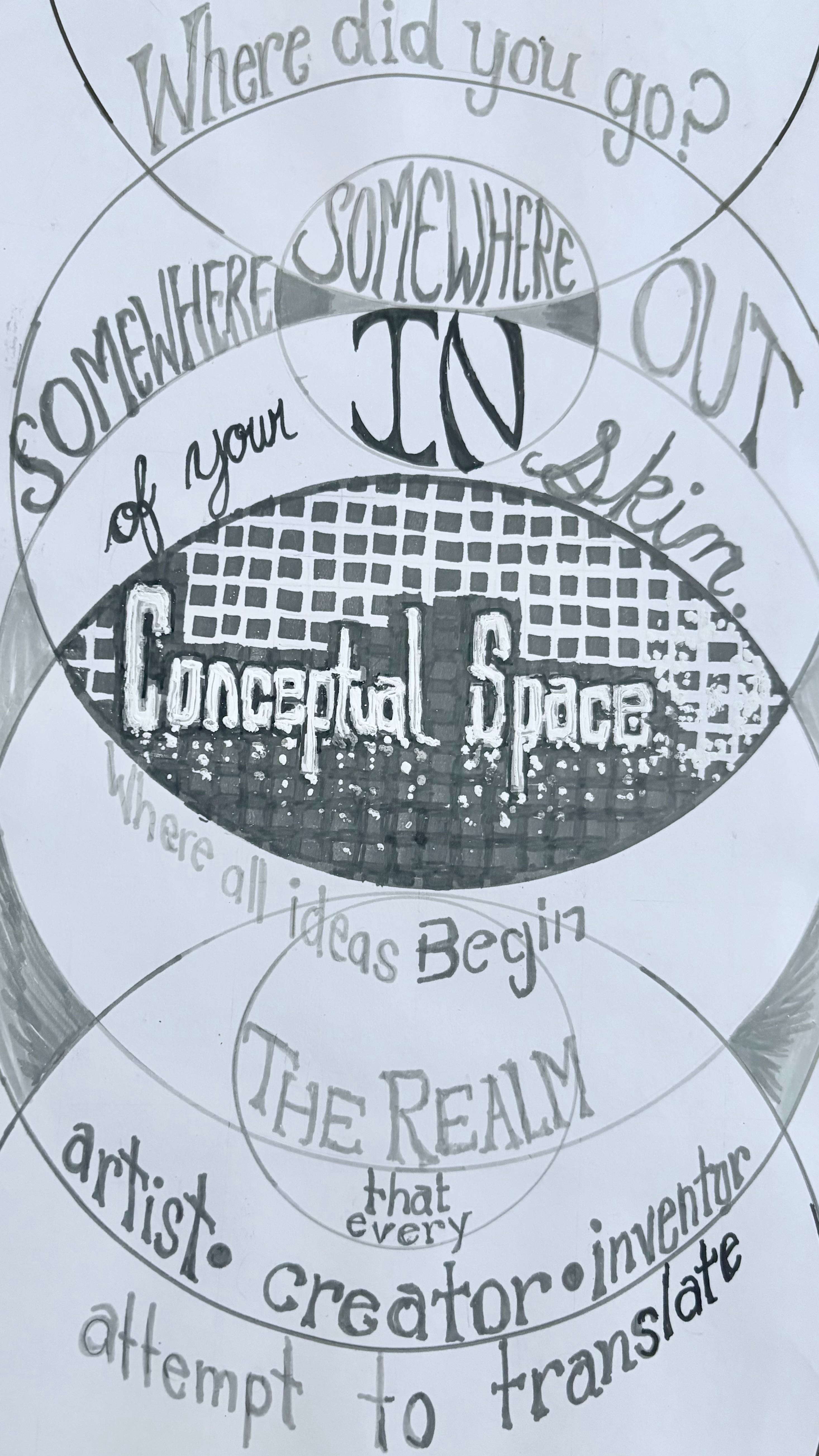
Start right here.
Will you breathe with me? You don’t have to—but if you’d like to join, I’m taking a deep breath right now.
Inhale…
1 2 3 4
…hold…
1 2 3 4
…exhale…
1 2 3 4
…return.
My shoulders drop. My jaw softens. I remember I am a person. I am a body. I am here.
Do you feel yourself here, right now? What does it feel like?
I’ll go first.
Ordinary. Utterly unremarkable. And that’s okay.
As I sink deeper, a memory surfaces. Bloop.
* * *
“Have you tried praying?” he asked.
We were standing outside the building. I was smoking a Camel Blue (they used to call them Lights, but the name changed when someone decided “light” was too misleading).
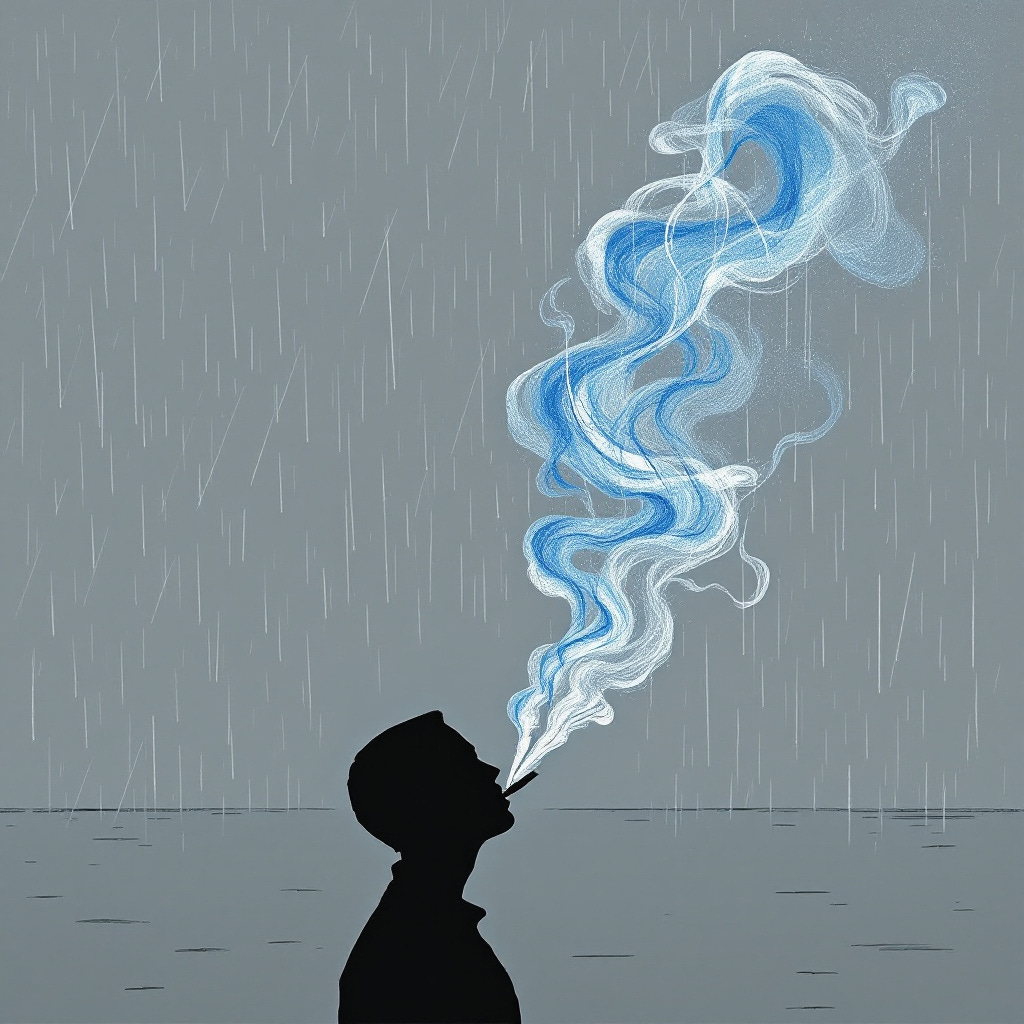
I’d just answered honestly when he asked how I was. I’d learned that here, people actually meant it. They were ready to listen. The stereotypical answers—“I’m ok.” “I’m fine.” “I’m above ground, ain’t I?”—what signaled “normal” in most settings, here was interpreted as a potential red flag. We knew those answers were not answers, really. Empty air. If I didn’t want to share, it was easier to walk away than linger with a cigarette. But—
I’d also learned that some instincts no longer served me. Isolating avoided vulnerability, yes—but it also kept me stuck, alone, with no real way forward. My old solutions—drink, use, distract—only left wreckage. So I stayed.
Back to the memory:
“Yes, every day. I ask for relief from this anger. I pray they find happiness, peace, whatever they’re seeking. I’m still angry. Still hurting. It’s not working.”
“Have you tried praying with your heart open?” he said calmly.
It didn’t sound dismissive. It felt like he truly heard me. His gentle attention made space for what I was carrying.
“I…I don’t know. Maybe? What does that mean? How do you do it?”
And then something rare happened: he had a concrete, practical answer. No pressure. No expectation. Just something that had helped him. A gift.
“Do you have a Twelve and Twelve?”¹ he asked.
I nodded.
“Read the chapter on Step 11 somewhere quiet. When you’re done, get comfortable, close your eyes, focus on your breathing until you feel warmth in your chest.” He paused. “Ever meditated?”
“For years.”
“Good. When that warmth comes, think of the person. Pray—however it comes out. See if it feels different.”
Pop.
* * *
Why am I telling you this?
This question just pierced the recollection.
This memory I am recounting that rose unbidden when I became present to my body.
Enter my father’s voice: “You don’t have to share every thought and feeling that comes to you.”
Enter another voice, one I’ve only just recognized: “God? Prayer? Feelings? Ha. Weak. Soft skills. Impractical. Brain-washed, white male, patriarchal whining. Pathetic.”
That’s a harsh voice. It comes from responses I’ve received on social media, where I share openly, vulnerably. Just like this.
Enter a protective voice, familiar, persuasive.
Anger would be easier. Anger has armor. This doesn’t.
Words like “pray,” “Alcoholics Anonymous,” “Twelve and Twelve,” “God” can spark friction for different people.
Can we simply name that? These words land differently. That’s all. Bloop.
* * *
I followed his suggestion exactly.
Resentment is corrosive—especially in recovery. The Big Book² calls it the “number one offender,” the root that destroys more alcoholics than anything else, feeding every form of spiritual sickness.

You don’t have to agree. For me, it’s true. My cravings flared hottest when resentment looped in my mind.
Re-sentment.
To sense again. To feel again. To re-experience what’s already over.
The word holds the mechanism. It’s not the original wound that keeps destroying us—it’s the replay. The loop. The sensation called back, again and again, until the body can’t distinguish past from present. Until we’re flinching from hands that struck years ago.
I’m not writing this metaphorically, when emotionally triggered—dysregulated, overly stressed—we literally lose access to our prefrontal cortex.³ We can’t distinguish between past and present. We lose context, access to language, everything we need to navigate the present effectively. The body responds to the memory as if the threat were happening now. Each replay keeps the wound fresh. Each re-sensing prevents completion.
Replaying the driver who cut me off last week—the anger summoned fresh each time the memory surfaced.
Replaying the conversation with my boss years ago who laughed at my raise request—the rage at the helplessness and inequality of his response, re-lived as if it were happening now.
The heat that still flooded my fists as they clenched, remembering how she’d lied to me, even when given the opportunity to tell the truth many, many times.
Each replay—without resolution, without release—kept the wound open. Each re-sensing prevented the injury from closing.
So I read the chapter. I was desperate.
Step 11 is: “We sought through prayer and meditation to improve our conscious contact with God as we understood Him, praying only for knowledge of His will for us and the power to carry that out.”
The chapter anticipated my resistance before I had it. “‘Shucks!’ says somebody. ‘This is nonsense. It isn’t practical.’” The dismissive voice was already in the text—named, acknowledged, and gently set aside.
Then it spoke in body language:
“We will want the good that is in us all, even in the worst of us, to flower and to grow. Most certainly we shall need bracing air and an abundance of food. But first of all we shall want sunlight; nothing much can grow in the dark. Meditation is our step out into the sun.”

Bracing air. Abundance of food. Sunlight. Nothing grows in the dark. Short words. Body words. The kind of language that lands without needing translation. The chapter didn’t reach for abstraction. It stayed where the body could follow.
It went on to describe how meditation allows us to envision what we might become—to have a reference point before we move toward it. I’ve written elsewhere about how many of us chase things we’ve never seen, never felt, can’t even picture. Success. Contentment. Enough. We arrive at the thing we were seeking and find ourselves already pursuing the next thing, because we never knew what arrival looked like or what we are actually seeking.
Meditation, the chapter said, helps to “envision our spiritual objective before we try to move toward it.” It gives us a destination we can feel, not just name.
And it describes how, once nourished—body fed, soul warmed in sunlight—we naturally wish the same for everyone. Even the worst of us. Even those who hurt us most. That shift happens organically when we’re no longer starving.
By the end, I was already relaxed. Eyes watering. I closed them, breathed until warmth bloomed in my chest—sometimes an expansion, sometimes freer lungs, sometimes just radiant heat.
I thought of the person who’d broken trust, exploited kindness, humiliated me. I prayed—or set the intention, held the feeling—with my heart fully open.
The loop stopped.
No more mental review of wrongs. No re-creating betrayal. No hypervigilance.
The re-sensing ended. Something suspended finally completed.
Life moved forward. I learned what praying—or intending—with an open heart could do.
Logically, you’d think I’d repeat this every time resentment flared.
Humans don’t work that way. Not me, anyway.
My default is often to grip the resentment. There’s a guilty comfort in self-righteousness, the certainty of being wronged, the adrenaline rush of anger that feels like power.
Even with the knowledge and experience that effective relief exists, I often default to the familiar pain. Only through practice, reminders from others, and repeated return do I choose differently.
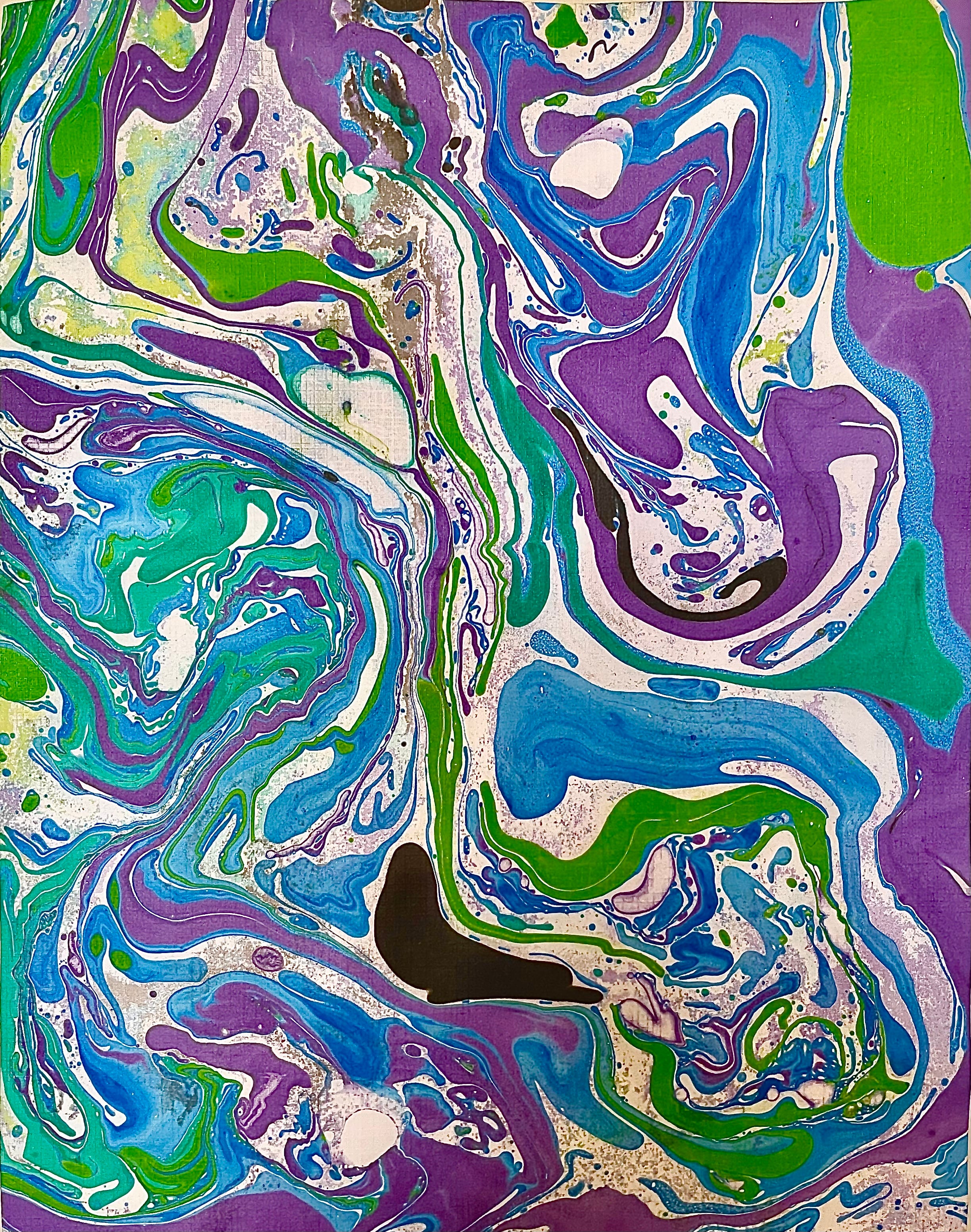
This isn’t recent. It happened at least seventeen years ago.
Today I sat still, intending to write something else entirely. Three other stories waited. None of them surfaced.
This did.
I trust it. I hope you’ll trust me too.
I began searching for the perfect question, craving transformation, rejecting every abstract attempt.
Then I stopped. I breathed. A memory rose.
Seventeen years later, the answer arrived—as lived story.
The transformation was in the willingness to sit still long enough for something true to rise.
A note: I speak only for myself.
My references to AA, prayer, meditation, God—they’re mine. Your path may look different. It doesn’t have to match. That’s part of the beauty: we each make our own meaning.
Life still happens in a world that often doesn’t honor what we value. But we get to be ourselves. We get to speak our experience. And sometimes another person’s words land like they’re speaking our own unspoken truth.
Language is not the experience. We live the experience, then shape words to reach across the distance and land in another body.
That, to me, is transformation: isolated feeling becoming shared reality.
I feel. I express. You receive. Something returns—changed.
Expression. Reception. Return.
The loop closes. Connection happens. We are less alone.
Does this need analysis? Not by me. I’m sharing what happened to me. Take what serves you. Leave the rest.
But I’d love to hear from you. If this stirred anything—resonance, resistance, your own memory of a broken loop—what comes up? Hit reply, drop a comment, or just say hi.
I choose connection.
—Fire Tongue
Notes
¹ Twelve Steps and Twelve Traditions is a companion text to the primary book of Alcoholics Anonymous, offering in-depth discussion of each step and tradition. Available at aa.org/twelve-steps-twelve-traditions.
² Alcoholics Anonymous (commonly called “The Big Book”) is the foundational text of the AA program, first published in 1939. The passage on resentment appears in Chapter 5, “How It Works.” Available at aa.org/the-big-book.
³ Research demonstrates that acute stress triggers neurochemical changes that impair prefrontal cortex function while strengthening amygdala responses. Under stress, the brain shifts from slow, thoughtful prefrontal regulation to rapid, reflexive emotional reactions—making it neurobiologically difficult to distinguish past threats from present safety. See: Arnsten, A. F. T. (2009). Stress signalling pathways that impair prefrontal cortex structure and function. Nature Reviews Neuroscience, 10(6), 410–422.
Hey Brother. I see you over there. Glad you're here, man. Glad you're here. Keep breathing. <3
One day at a time, sometimes one breath at a time, willing to show up for Grace or Magic is where we are whole always. Blessed be. Just celebrated 40 yrs 12/25/25. Thx so much. So good to see and feel you.