


According to modern civic mythology, voting is a solemn, dignified ritual performed by engaged citizens wearing sensible footwear and carrying a clear, dispassionate understanding of municipal zoning law in their breasts.
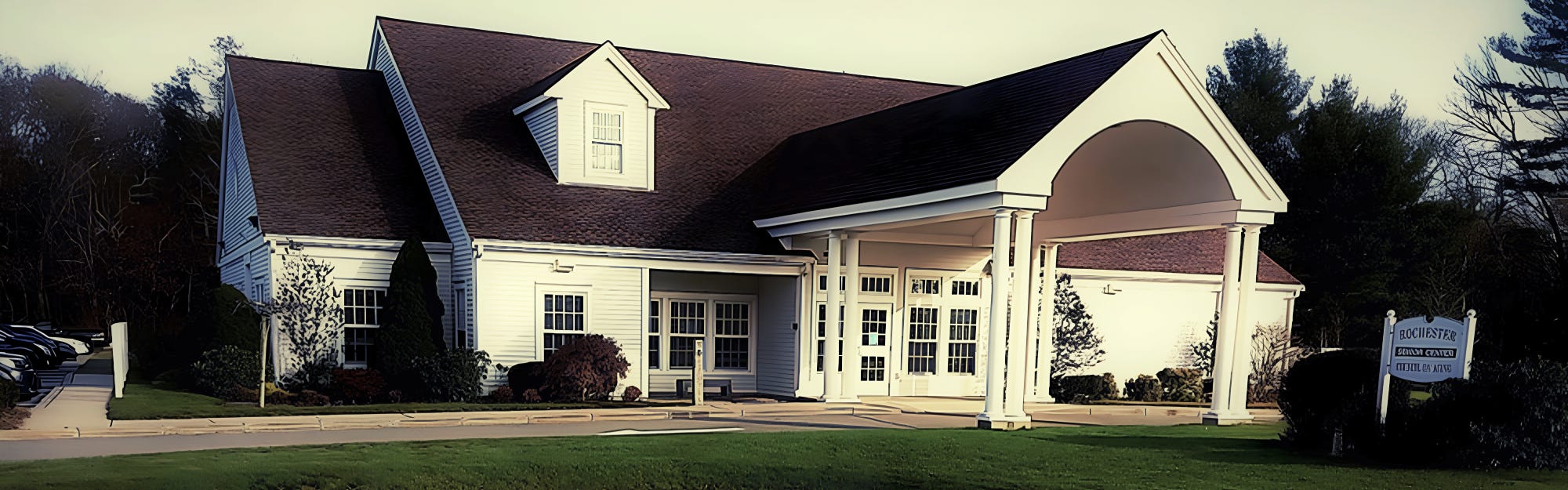
I showed up to the Rochester Council on Aging at ten o’clock on a Tuesday morning wearing my pajama pants.
Before getting out of the car, I spent ten minutes sitting in the quiet chill of my front seat in a low-grade state of bureaucratic dread, trying to remember if the Commonwealth of Massachusetts required a government-issued photo ID, a passport, or a notarized utility bill just to prove I existed on the voter rolls. I study systems of compliance and institutional coercion for a living. I know how the machine operates. Yet the second you park within fifty yards of a polling place, a primal elementary-school reflex kicks in and convinces your nervous system that you are about to be sent to the principal’s office for forgetting your homework.
I walked through the double doors, and the very first person I saw was Mr. D.
Mr. D. used to go to my dad’s church.
He was one of the people who ended up leaving during the bitter, exhausting fallout of a culture-war split that tore the congregation in half over cable-news talking points. If you listen to professional political commentators, a public reunion between two people on opposite sides of a cultural fracture is supposed to be a tense, high-stakes ideological standoff with daggers in their eyes.
Mr. D. looked at me, looked down at my flannel pajama pants, and immediately started busting my chops for voting in my sleepwear.
I laughed, but the damage was done. The private bubble I had lived in all morning instantly evaporated. In the span of three seconds, I went from an anonymous observer of the American empire to a 31-year-old man standing under buzzing fluorescent lights in a crowded room of his neighbors, realizing with sudden, electric clarity that everyone had eyes, and all of them were watching.
I walked up to the check-in table. I said my name in a completely normal voice. The volunteer smiled, ran a yellow highlighter across a printed ream of paper, and handed me a slab of cardstock the size of a cafeteria tray with zero ceremony.
No passport. No interrogation.
Just a piece of paper covered in tiny black ovals.
Then I turned around to find a voting booth, and the geometry of American democracy revealed itself.
There were not enough booths.
The line of people waiting to feed their completed ballots into the automated optical scanner was located in the exact same room, wrapping in a serpentine coil all the way around the perimeter. As a consequence of this civic engineering triumph, the queue of waiting citizens was shuffling past precisely twelve inches behind my left elbow.
The state provides you with a three-sided piece of corrugated cardboard to guarantee the sacred, inviolable secrecy of the ballot. The cardboard is roughly fourteen inches high. Behind it, you are meant to commune with your conscience in absolute solitude. In physical reality, an elderly woman in a long business coat was breathing near my collarbone, and a retired gentleman’s car keys were jingling against his denim jacket every time he shifted his weight.
I wanted to take my time.
I had every intention of being a thoughtful, deliberate participant in the democratic experiment. But the room was packed, the counter space was crowded, and suddenly I was hit with an overwhelming wave of social embarrassment because I was holding my phone in my hand.
I had notes on my phone.
I had spent the morning reviewing the candidate records and breaking down the nine separate statewide initiative petitions on the back of the page. In Massachusetts, it is completely legal to consult your phone or a personal cheat sheet inside the booth. But nobody posts that rule on the wall. Standing behind a piece of cardboard with a smartphone glowing in your palm feels like smuggling contraband into a maximum-security prison yard.
A mini panic attack began buzzing behind my ribs.
My brain convinced itself that at any second, a poll worker was going to tap my shoulder and publicly reprimand me for cheating on the election.
When that kind of sensory alarm fires in a crowded room, the articulate narrator in your head does not deliver a calm, structured lecture on political philosophy. The articulate voice gets drowned out entirely. The thoughts become exhaust—
faint, fragmented signals buried under the physical static of forty strangers pressing into your perimeter.
I could barely hear my own reasoning.
Here is the dirty secret of modern balloting that nobody in Washington or cable news will ever admit:
when the nervous system redlines, democratic deliberation goes out the window.
I spent time where I could. I made sure to deliberately mark the races where the receipts actually mattered to me—like backing the lone-wolf State Auditor who fought Beacon Hill to open the legislature’s books, and punishing the Attorney General who blocked her. But for half the page, the clock was ticking, the coat behind me was rustling, and the overwhelming imperative was simply to clear the board.
When it came to the nine ballot questions on the back—a dense, multi-thousand-word wall of legalistic fine print designed by state attorneys to be as disorienting as humanly possible—I didn’t sit there parsing clauses while sweating through my pajamas. I pulled up the summary notes I had reviewed with my AI that morning, trusted what I had already decided in the quiet of my home, and bubbled the ovals as fast as the ballpoint pen would glide.
The worst part of the whole experience was looking at what I do for a living.
I am a media researcher.
I map out institutional manipulation, the architectures of compliance, and the psychological mechanics of extraction. I understand the theory. I knew the overcrowding was an administrative failure, the lack of privacy was absurd, and the artificial rush was an illusion. My intellect told me that I should be able to recognize the physical discomfort as unjust, ignore the social pressure, and perform my civic duty with serene, stoic poise.
Nope.
The body wins.
The animal nervous system does not care about your essays on institutional psychology. When the room is cramped, the air is warm, the crowd is breathing down your neck, and your shame-sensors are screaming that people are watching you in your sleepwear, your biology has exactly one goal:
finish the test and get the hell out of the room.
I fed the tray into the mechanical whirr of the scanner,
heard it click shut,
and walked out the glass doors into the surprisingly warm November air.
Tonight,
the cable news panels will spend six hours analyzing the ideological soul of the American voter. They will talk about demographics, shifting party coalitions, and the profound moral mandate of the electorate.
And tomorrow,
a handful of retired readers will inevitably scroll past this entire essay to leave an indignant comment demanding to know why a grown man couldn’t be bothered to put on denim jeans before visiting a polling precinct.
They will miss the point,
as they always do.
The system does not run on informed deliberation or civic majesty.
It runs on an obstacle course of sensory friction designed to exhaust the human animal until it concedes.
Some people surrender by staying home.
Some surrender by pulling a straight party lever they haven’t researched in twenty years.
And some of us stand in our pajamas,
sweating behind a piece of cardboard,
clutching a glowing screen like a lifeline just to get our votes into the machine before our nerves give out.
So it goes.

This is The Rebel’s Contract.
Your subscription isn’t a donation;
it’s a direct investment in my liberation from wage slavery.
Every dollar frees up my time to forge more tools for our shared arsenal.
Fund the fight, and I’ll build the tools to win it.
[Subscribe to the Vanguard] | Buy Me A Coffee (One-time support)

I've never been more *grateful* to vote at home and drop off my ballot inside the courthouse box in my life. You've successfully added ' in person voting, NOPE' to my list of things to consider for a move. Dude.
I voted early without any issues. If it had been warm enough that day in TX I would have been wearing my short short shorts. I was wearing a pair of wragged out jeans and a T-shirt I screen printed myself that stated, LET YOUR FREAK FLAG FLY. I had already researched the candidates on the ballot and other proposals too. All of it scorched into my memory bank. This is TX after all where the pockets are deep and the corruption is everywhere.