


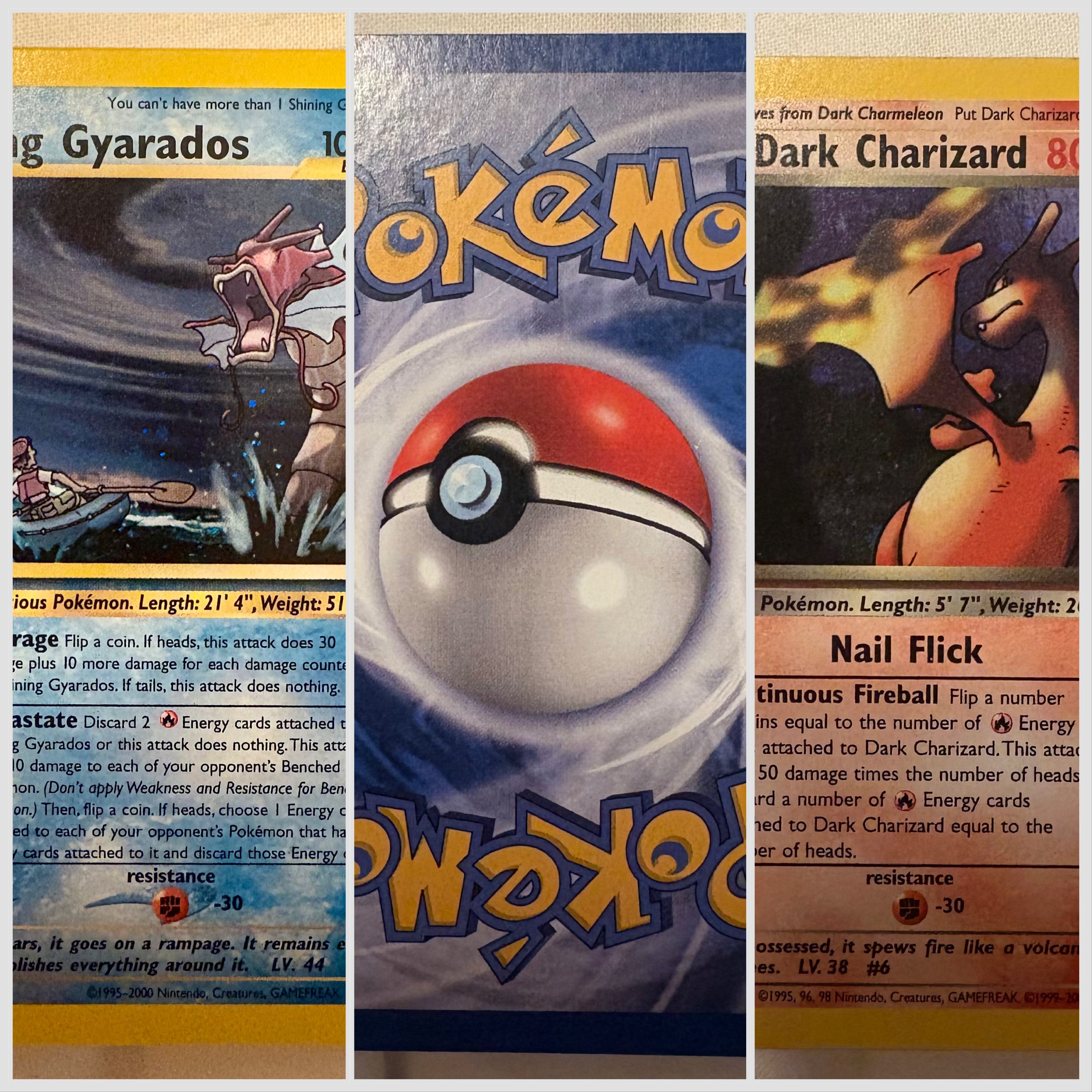
My first experience with being controlled by an institutional power greater than me—where I really felt the injustice?
When they banned Pokémon Trading Cards from my school.
The hugely popular game that exploded in the US in the late 90s had caused disruptions in grade schools nationwide. According to news reports, children were stealing cards, getting in fights, coming home complaining about unfair trades. Tears, bullying, coercion.
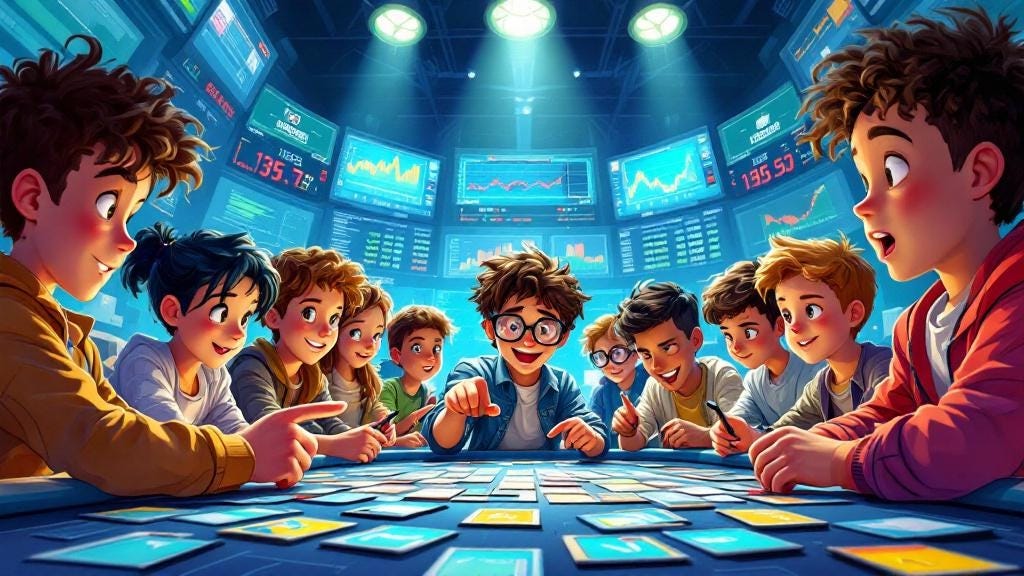
It was like Wall Street trading for developing minds, only this time, people cared that it was causing their children to act like the same wolves eating away at the American Dream—preying on the vulnerable, using informational asymmetry to strike raw, unbalanced deals.
Like the time I traded a Butterfree from the newly released Jungle expansion for a holographic Blastoise from the Base set.
I didn’t force the deal. I checked multiple times with the kid. But his parents found out and asked us to trade back. I did, willingly if sadly. It wasn’t a fair trade. I’ll admit it. I didn’t feel good about it.
That was a valuable lesson: just because I could get away with taking advantage of a younger kid doesn’t mean I should, and doesn’t mean I’ll feel good about it.
What was rumored elsewhere was much worse. Kids teasing, threatening, harassing each other for the most sought-after cards.
I got eye rolls from my dad about my obsession—“Poke-man,” he called them, never got the name right. But no one seemed to ask: why are kids responding this way?
The damn slogan was “Gotta Catch ’Em All.”
This was on prime time television daily, Saturday morning cartoons. A story about a young kid going on an adventure to catch all the Pokémon and become the greatest master in the world. A rapid-fire rap at the end of every episode naming different Pokémon—gold straight into subconscious long-term memory. Special events at toy stores. Official tournaments. Bernays would have envied the coordinated genius of this campaign, and as Freud’s nephew, he would have understood just how much more potent it was delivered to children than to adults.
You basically gave kids slot machine technology.
Every pack opened could land you a holographic Charizard—the holy grail of Pokémon cards, and it remains so to this day—or another common Beedrill. Tear the pack, pull the lever. Then you added trading to it. Pool your cards and try to get the best deal. The market is open wherever two collectors gather. You could score a huge win or realize you’d been swindled.
And when children started acting exactly how the system was designed to make them act, the institution banned the cards.
We’d been bringing Pokémon cards to school, looking at each other’s collections at recess, sometimes trading, sometimes speculating about the show. It was fun, harmless, social. I never felt threatened, taken advantage of, or like my stash was in danger.
Then they banned them. Not allowed to bring them to school. Not allowed to take them out.
I was a good student, well behaved. I followed rules. But this one I could not reconcile.
Whether that was rebellious spirit or addictive hijack of my mind, I can’t say. Probably both.
Why was the poor behavior of a mysterious, distant few—I’d never heard of any of this harm happening to anyone I actually knew—restricting my freedom over something largely enjoyable and prosocial?
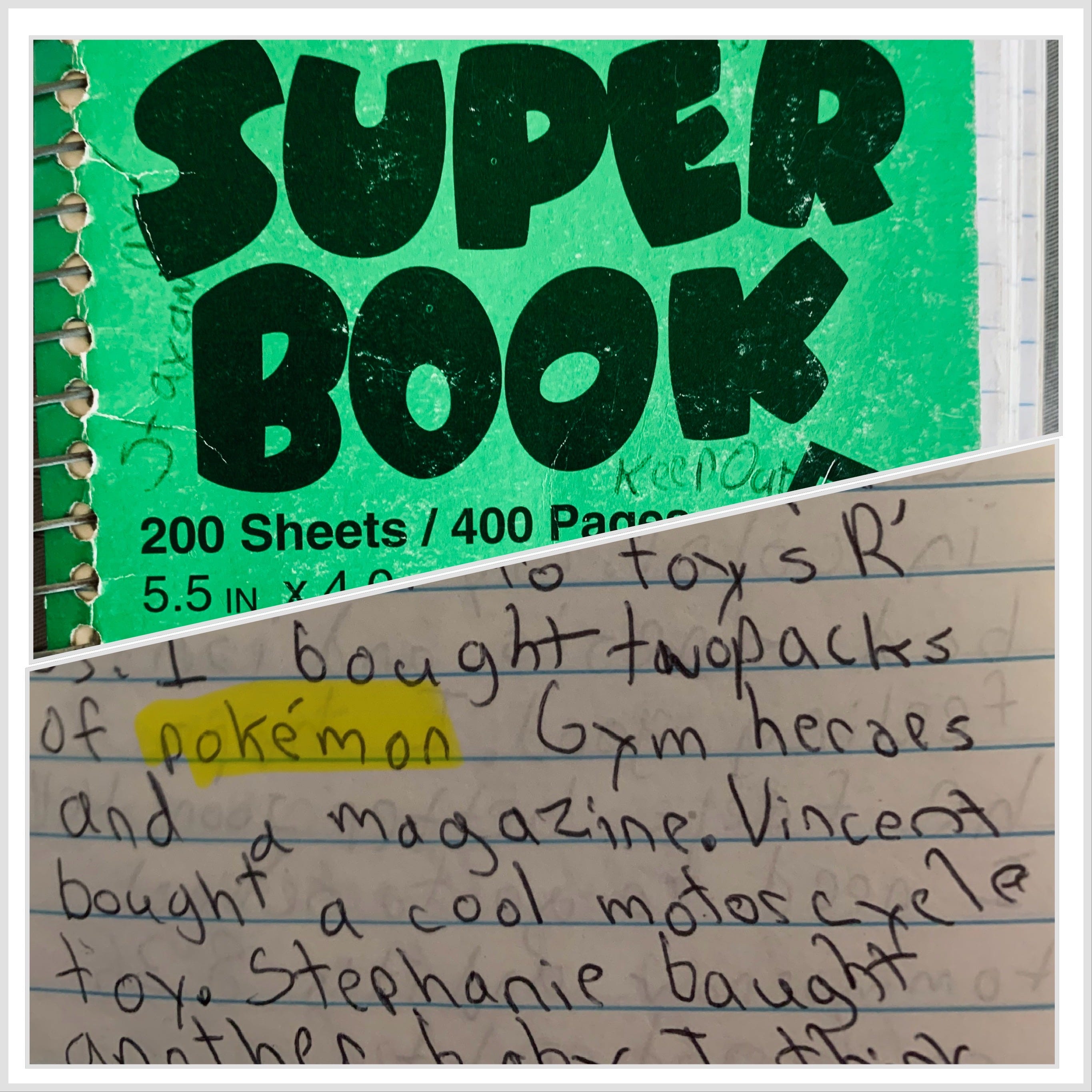
I brought my cards in anyway. Secretly traded at recess. Hid cards in folded notebook paper.
I couldn’t find evidence to support their claim. I did not defer to their arbitrary rule.
Here’s what I learned:
I learned defiance. I learned to question institutions.
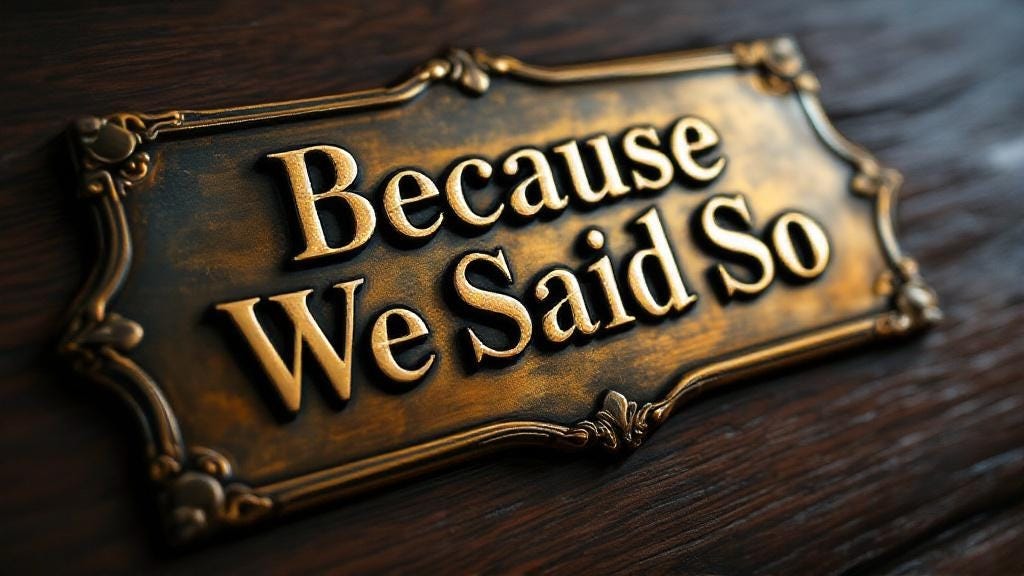
I learned that at a certain point, authority is built only on the assumption of power. When pushed with questions, neither my parents nor teachers could explain why the cards couldn’t be brought in. The final statement was always some version of: “Because that’s the rules. Because we said so.”
I learned about the subjectivity of value and its creation through artificial scarcity.
And I learned the pattern I’d encounter for the rest of my life:
Systems create behavior. Then systems punish individuals for exhibiting it.
They designed a slot machine for children, marketed it with military-grade psychological precision, made “catch ’em all” the mandate, then punished children for wanting to catch them all.
The model worked. Twenty-five years later, every app on your phone uses the same mechanics. The kids who learned to trade Pokémon grew up to build TikTok. We did what was done to us—only better. Internal research found addiction sets in after just 35 minutes. This wasn’t a problem, it was effective business. They called children users.
And I find myself thinking about what they actually banned. Not the cards. Not the company. Not the design.
Just the cards at school.
The predatory mechanics could continue everywhere else—at home, at the store, on Saturday morning television. Just not during school hours.
I’m still working out what that means.
Gotta catch ’em all, they told us.
Turns out that was their motto, not ours. And they did.
Control or connection.
I keep finding it’s the only question.
I choose connection.
Fire Tongue🔥
Connection, always! ❤️✊
I’m 66 yrs old. I never understood the poke-man obsession of my two sons back in the day. Your point about digital pellets was on point but the real takeaway for me was your masterful explanation of the dopamine laced Pokémon phenomena. I finally understand after all these years. Thank you, Anthony.