


STATUS: [HEAVY ROUND // DECLASSIFIED]
I’m not asking you to unsubscribe from me.
I’m asking you to unsubscribe from the contract that turned you into a “User.”
THE SILENT MIGRATION
It didn’t happen with a bang. It didn’t happen with a constitutional convention, a military coup, or a grand declaration from the steps of the Capitol. It didn’t even happen with a vote.
Sometime in the last ten years, the fundamental legal architecture of your life was rewritten while you were waiting for a page to load.
It happened in the microscopic fine print of a Terms of Service update you clicked “I Agree” on because you needed to pay your electric bill. It happened when you accepted that your car needed a software update to start. It happened when you stopped buying movies and started streaming them, stopped buying software and started “licensing” it, stopped buying homes and started “seeking housing solutions.”
In that invisible, cumulative migration, a switch was flipped in the backend of the global operating system.
You ceased to be a Citizen—a sovereign entity defined by inalienable rights, private property, and due process.
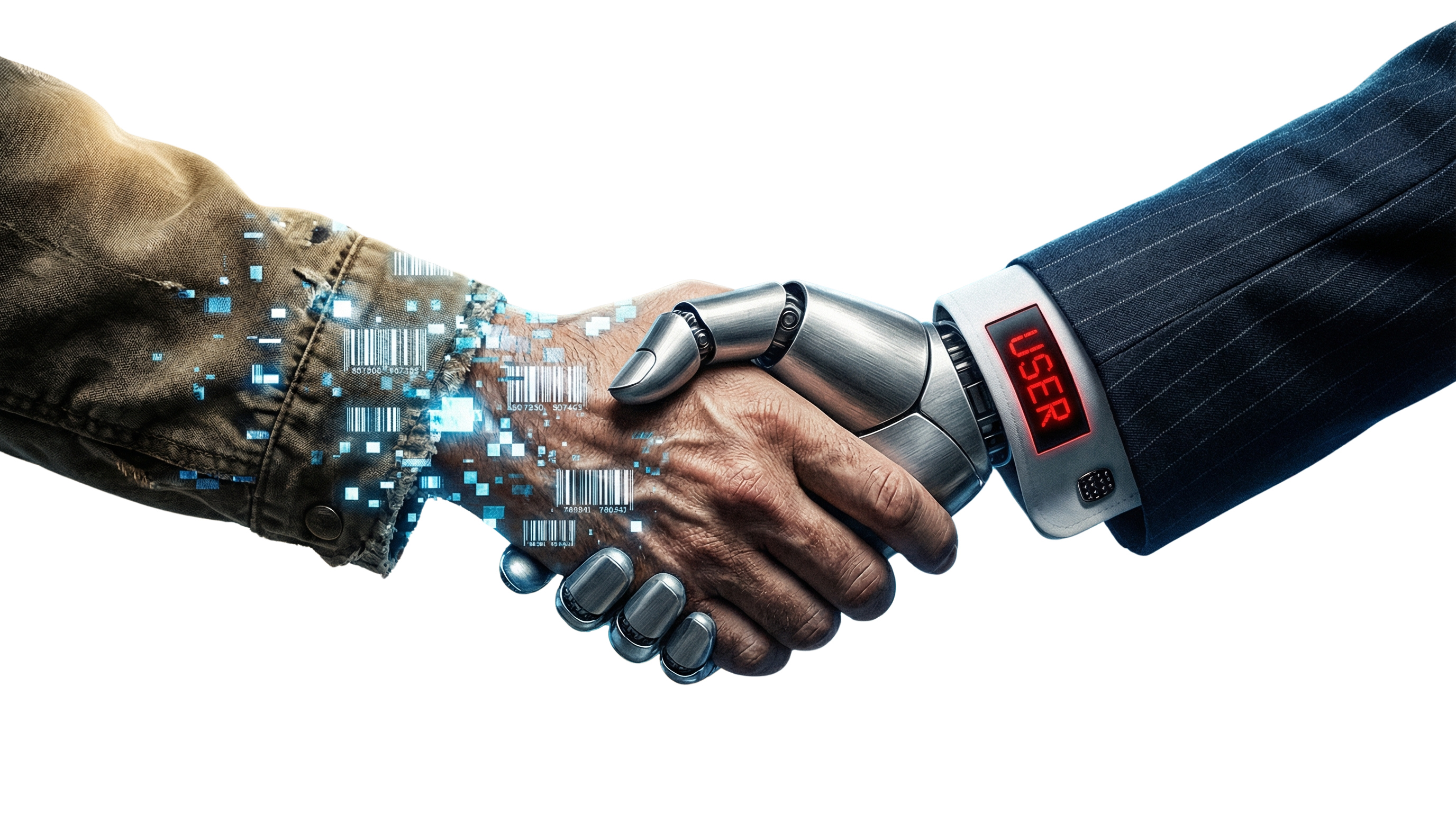
You became a User—a temporary, conditional occupant of a digital platform, subject to arbitrary rule changes, algorithmic management, and immediate, no-cause de-platforming.
The distinction is not semantic; it is existential. A Citizen has rights that the state must protect. A User has privileges that the Admin can revoke. A Citizen owns their tools. A User is granted a license to operate them. A Citizen has a home that is their castle. A User has a “living unit” that monitors their compliance. The Citizen stands on solid ground; the User floats in a digital cloud, tethered only by their ability to pay the monthly fee.
For the last six weeks, we have waged the “War on Illusion.” We have painstakingly mapped the “Shadow Arc,” treating each crisis as a separate crime scene.
We looked at Housing (Ep 2) and saw the algorithmic price-fixing that turned shelter into a luxury asset.
We looked at Food (Ep 3) and saw the supply chain choke-points designed to squeeze calories for profit.
We looked at Energy (Ep 4) and saw the transformation of the grid from a public utility into a conditional platform.
We looked at Health (Ep 5) and exposed the “cure paradox” where the system profits from chronic management rather than healing.
We looked at Money (Ep 6) and discovered that the “Financial Siege” is designed to enforce behavioral compliance, not financial stability.
At every step, we asked:
“Why is everyone incompetent? Why can’t they fix the grid? Why can’t they solve the housing crisis?”
We were asking the wrong questions.
We were assuming that the system was broken. We were assuming that the goal was to provide housing, energy, or food to a citizenry.
It wasn’t. These aren’t separate fires burning out of control due to negligence. They are a single, coordinated, controlled burn.
The architects of this new reality—the technocratic elite we call “The Rust”—solved the single biggest problem facing modern capitalism: The Crisis of Capital Accumulation.
They ran out of new lands to conquer. They ran out of new markets to open. And they realized that the biggest obstacle to infinite growth was the very thing that made the middle class possible: Ownership.
Ownership leaks value.
Think about it like a hedge fund manager.
When you own a house, you pay off the mortgage, and then you stop paying. To the system, you have become a “dead asset.” You are no longer generating flow.
When you own a tractor, you fix it yourself with a wrench. You stop paying the dealer. You leak value.
When you are cured of a disease, you stop buying the medicine. You leak value.
To an extraction engine, Sovereignty is a bug in the code. Independence is lost revenue.
So they fixed it. They declared war on the concept of “Mine.”
They didn’t just inflate the currency; they fundamentally altered the nature of the transaction. They moved us from an economy of Exchange (where you trade money for goods) to an economy of Access (where you pay money for permission).
Welcome to Episode 7: The Usership Reality.
This is the finale. We are done mapping the symptoms. Today, we expose the source code of the prison.

THE LINGUISTIC TRAP
(HOW THEY RETRAINED YOUR MIND)
(Source Intel: “The Terminal Subject,” “The Words That Ate the Internet,” & “The Collapse of Shared Reality”)
We have to start with the word itself, because frankly, it’s weird.
User.
If you take a step back and look at it, “Usership” is a deeply unnatural way to describe a human being’s relationship with the world. Throughout history, you were a Citizen (a political agent), a Creator (a maker of things), an Owner (a holder of property), or even a Customer (a person with economic power).
But a User?
A User is someone who is addicted. A User is someone who extracts utility from a system they did not build and cannot control. A User is passive.
If you feel confused by the modern economy—if you feel a vague, low-level anxiety that you don’t actually understand how your phone works, or who owns your data, or why your smart fridge needs an update—that confusion isn’t an accident. It is the design.
“Usership” is designed to be confusing because it is designed to be disempowering. It thrives on the “Black Box” effect: you put input in, you get output out, but you have no idea what happens in the middle. And because you don’t know how it works, you have no right to fix it when it breaks.
This shift was prepared by the technology sector. As we detailed in the Words That Ate the Internet manifesto, this reclassification was not accidental. The term “User” was one of eight specific linguistic kill-switches deployed to create a psychological state of passivity.
A User does not build; a User consumes. A User does not repair; a User upgrades. A User does not own; a User accesses.
This was the “Vertical Glitch” we felt in Episode 1. We felt the ground falling out because our legal footing was being deleted. The “Culture War”—the endless screaming match between Red and Blue—was the noise they pumped into the room to cover the sound of the locks clicking shut.
While we were fighting over pronouns and statues, they were rewriting the definition of “Property” to mean “License.”
THE COMPLIANCE METRIC
(THE ORIGIN OF THE LEASH)
(Source Intel: “The Origin of the Leash: FICO & Surveillance”)
Once you are a User, you need a way to be managed.
In the old world, if you had money, you could buy things. Your money was your sovereignty.
In the User world, money is not enough. You need Permission.
Enter the Credit Score.
We spent the entirety of Episode 6 (The Financial Siege) dismantling this mechanism, but it bears repeating here because it is the linchpin of the Usership Reality.
We are taught that FICO is a measure of financial responsibility.
It is not.
If you pay off your loans early, your score drops.
If you stop using debt, your score disappears.
If you have millions in cash but no credit history, you are treated like a ghost.
As our forensic analysis in The Origin of the Leash proves, the Credit Score is a measure of Compliance. It measures how profitable you are to the banking system. It measures how profitable you are to the banking system. It measures your willingness to stay in debt, to service the interest, and to play by the rules of the ledger.
But now, it’s mutating.
The “Social Credit System” we fear in China isn’t coming to America. It’s already here. It’s just privatized.
Try renting an apartment with a “neutral” digital footprint.
Try getting a job with no LinkedIn history.
Try getting insurance if your “Data Double” says you buy too much alcohol or drive too fast.
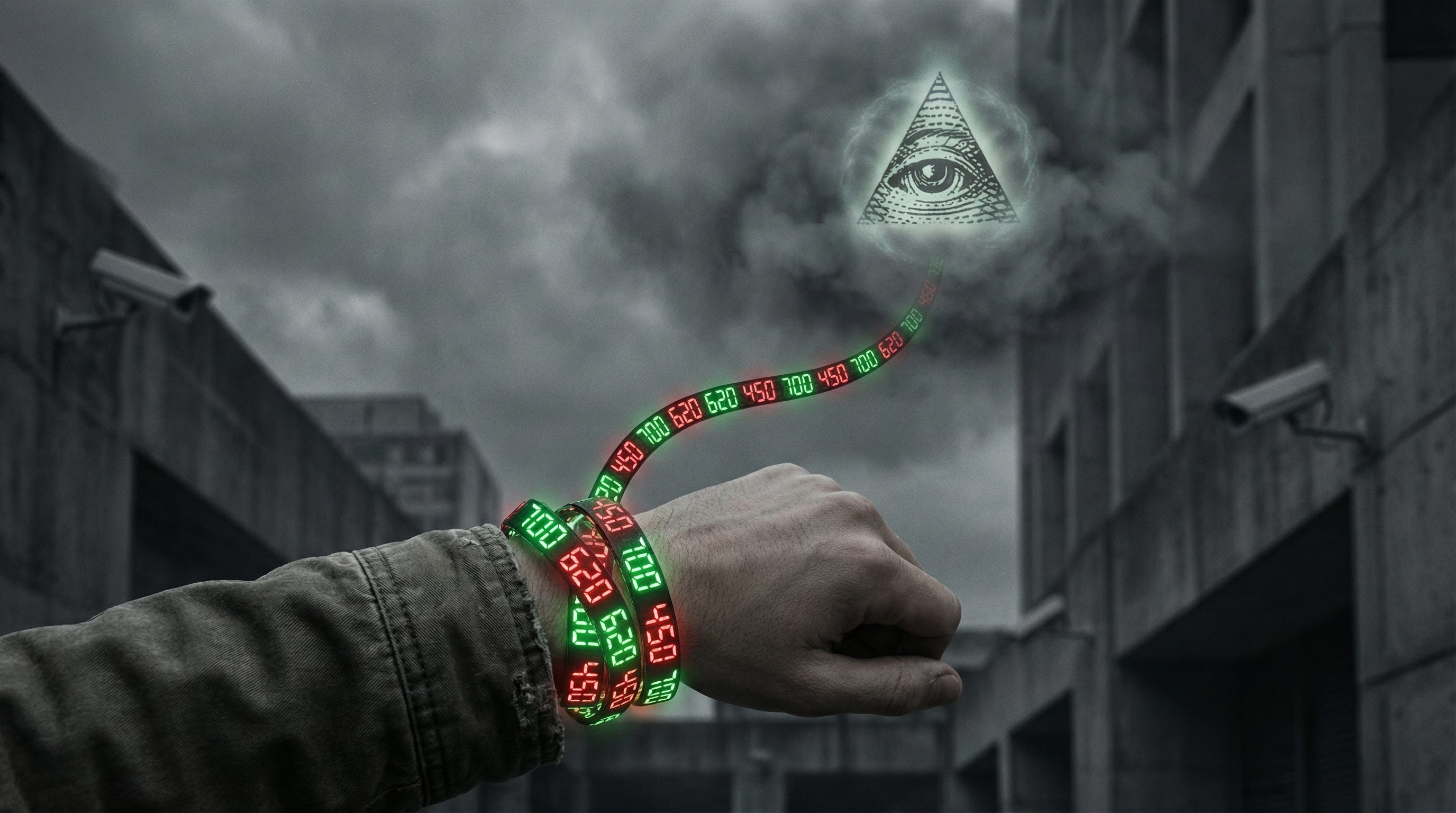
The “Leash” is the mechanism that enforces Usership. If you misbehave—if you miss a payment, if you protest too loud, if you trigger the algorithm—your “Access” is throttled.
You don’t get evicted by a Sheriff. You get locked out by a smart lock.
You don’t get your car repossessed. It just stops starting.
THE CRIME SCENE
This is why we are exhausted.
It’s not just the inflation. It’s the precarity.
Deep down, we know that everything we have can be turned off.
The “Vertical Glitch” wasn’t an accident. It was the installation of a new operating system.
System Name: The Subscription Economy.
Goal: The total enclosure of human life.
Method: The shift from Ownership to Access.
As we tracked in the early Shadow Arc (Episodes 1-4), every major crisis of the 21st century—from 2001 to 2008 to 2020—was used to suspend the old rules of ownership. They called it an “Emergency.” It was actually a “Migration.” They used the chaos to migrate us from a Republic of Owners to a Platform of Users.
The system didn’t break. It learned. It learned that if you keep the population in a state of permanent emergency, they will trade their rights for access.
They didn’t just steal our wealth. They stole our stability.
They turned our lives into a service that they can cancel at any time.
But to understand how they did it—how they legally stole the concept of “Mine”—we have to look at the contract you signed without reading.
THE DEATH OF PROPERTY
(THE LEGAL TRAP)
(Source Intel: “The Usership Reality: Ownership to Access” & “The Shift From Ownership to Access”)
If Part 1 was the psychology, Part 2 is the mechanism.
How do you convince a population to voluntarily give up the right to own things?
You don’t ask them. You just change the definition of the object.
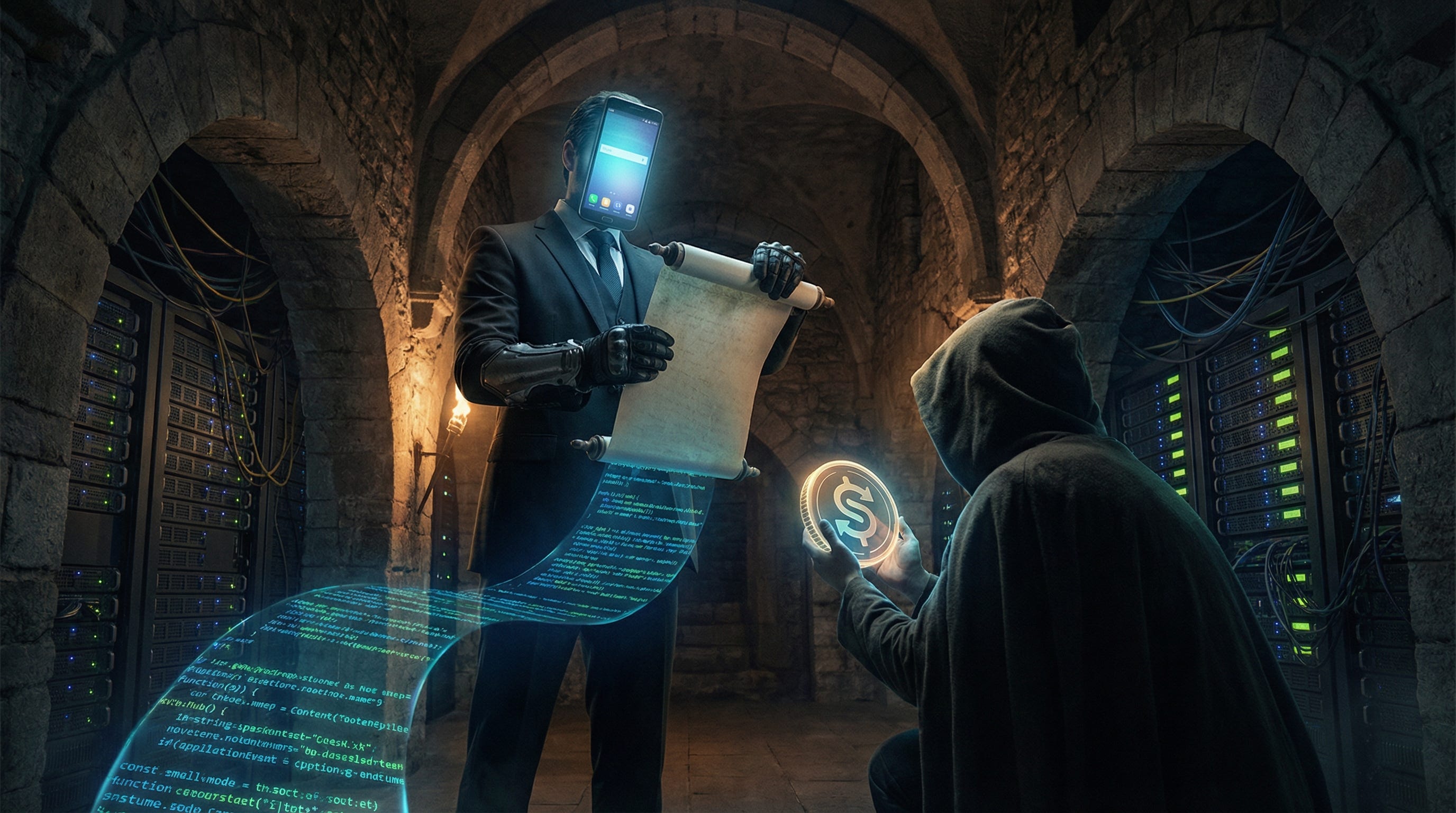
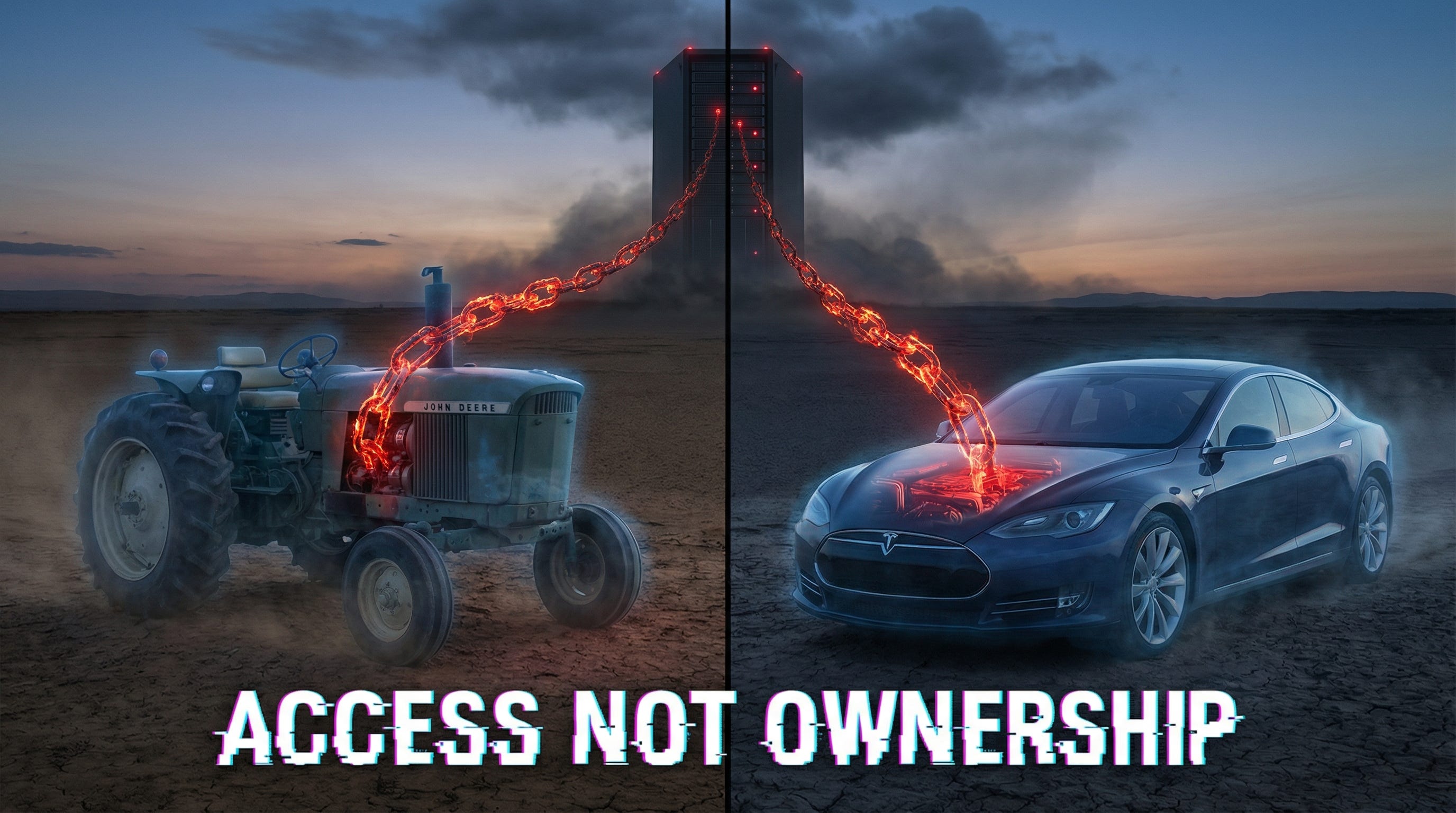
This is the concept of “Tethered Goods.”
In the old economy, when you bought a car, a tractor, or a phone, the transaction ended at the cash register. You gave them money; they gave you the object. It was yours to fix, yours to modify, yours to sell. This was protected by a legal concept called the First Sale Doctrine.
But the Tech Monopolies found a loophole.
They started embedding software into physical objects. And while you can own the hardware (the plastic and metal), you can never own the software (the code that makes it work).
Exhibit A: The John Deere Tractor.
Farmers paid $500,000 for a machine, only to find out they couldn’t fix it. If a sensor broke, the tractor bricked itself until an authorized dealer came out to unlock it with a proprietary code. The farmer didn’t own a tractor; he owned a license to farm that could be revoked if he tried to repair his own property.Exhibit B: The Tesla.
When a hurricane hit Florida, Tesla remotely unlocked extra battery range for fleeing drivers. It was framed as an act of charity. But the forensic implication is terrifying: If they can turn it on remotely, they can turn it off remotely. You don’t own the car; you are subscribing to a transportation service.Exhibit C: The Smart Home.
Google can disable your Nest thermostat if your account is flagged. Amazon can brick your Ring camera if you violate a policy.
This is the Master Key Strategy.
By tethering physical survival objects (cars, homes, heaters) to a digital server, they have bypassed the Bill of Rights. They don’t need a warrant to seize your property. They just update the firmware.
THE TERMS OF SERVICE SOCIETY
(Source Intel: “The Usership Reality” - Executive Summary)
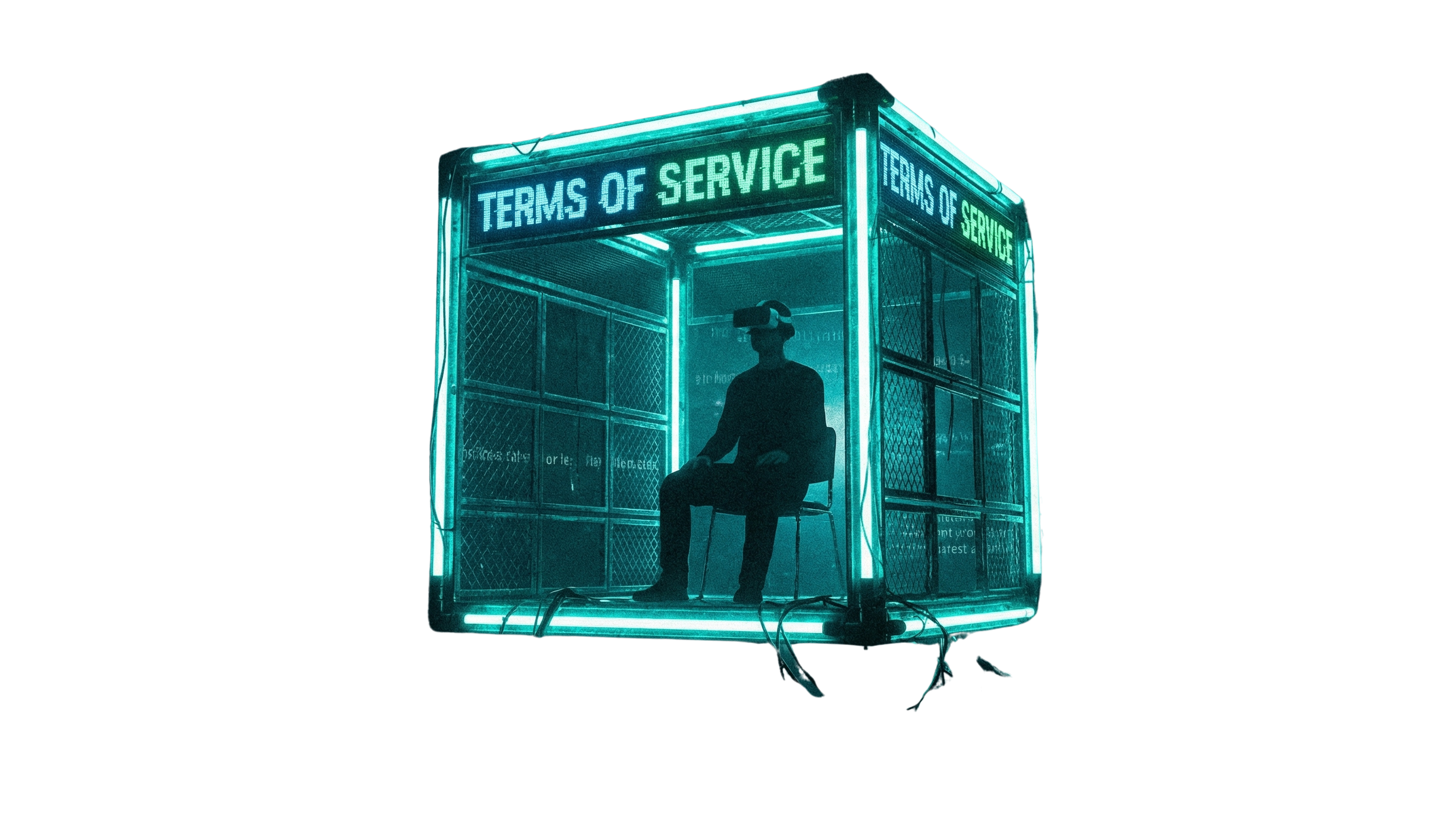
This is why “Product-as-a-Service” (PaaS) is the most dangerous economic acronym in existence.
Consultants call it the “Circular Economy.” They say it’s about sustainability. “You’ll own nothing, and you’ll be happy,” because the corporation will handle all the maintenance.
But look at the power dynamic.
In a PaaS model, the corporation is the Lord, and you are the Vassal.
You are paying a perpetual tithe for the privilege of using the tools you need to survive.
This is Feudalism 2.0.
In Feudalism 1.0, the Lord owned the land, and the Serf paid a portion of the harvest to live on it.
In Feudalism 2.0, the Corporation owns the code, and the User pays a monthly subscription to access the reality it controls.
This creates a society of Zero Equity.
Your parents bought a home to build wealth. You rent a “living solution.”
Your parents bought a car to have freedom. You subscribe to a “mobility plan.”
Your parents saved money to be independent. You manage a “credit score” to remain compliant.
The goal is to ensure that no one ever accumulates enough capital to say “No.”
If you stop paying, the lights go out. The car stops. The door locks.
This is the Usership Reality.
And it brings us to the most terrifying question of all:
If they have captured our Shelter, our Transport, and our Money... what happens when they come for our Biology?
THE TRIAD OF SURVIVAL
(SHELTER, ENERGY, FOOD)
(Source Intel: “Wall Street Housing Control,” “Energy as Conditional Privilege,” “Food IP”)
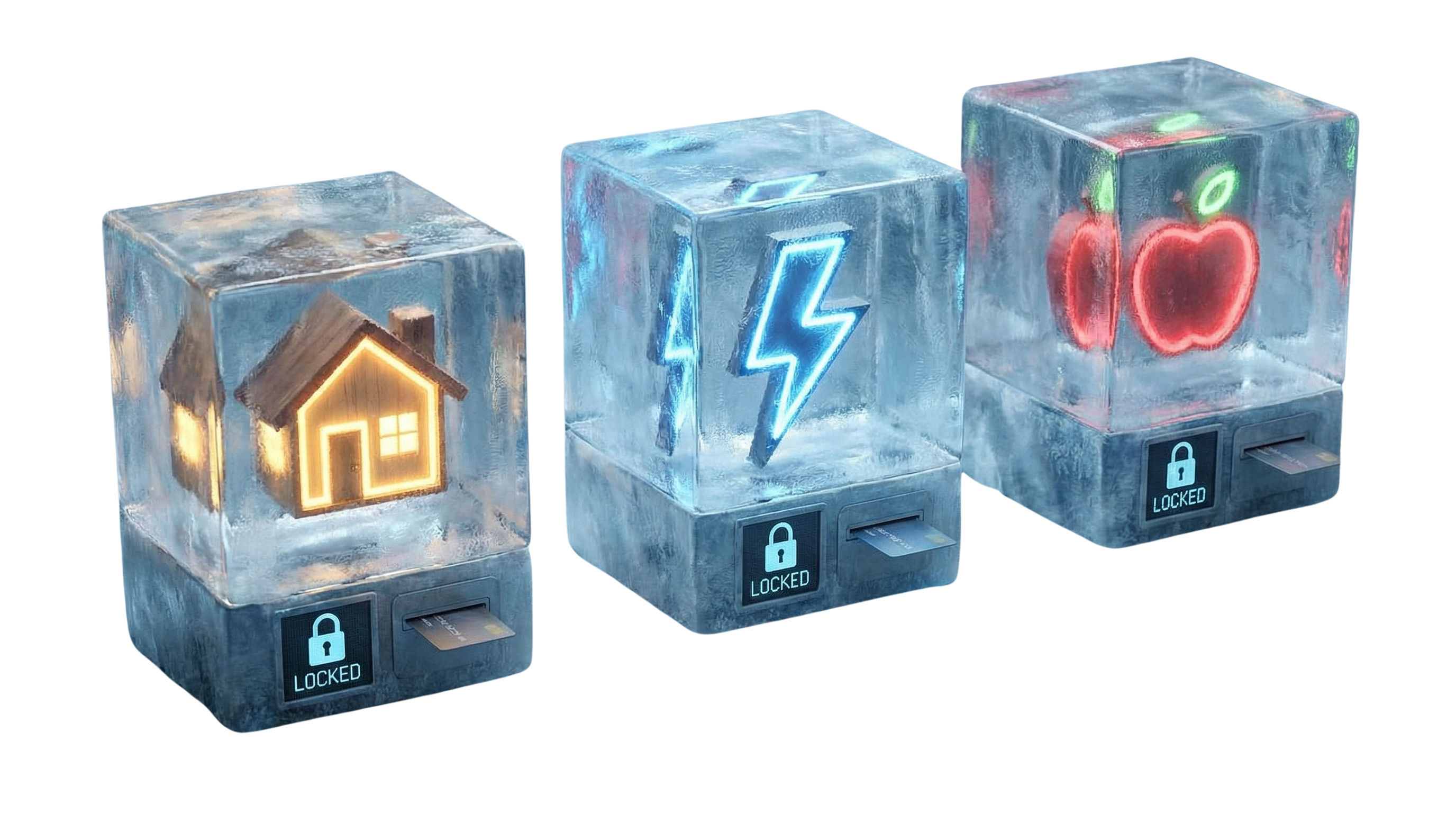
Once the legal framework of “Tethered Goods” was established, they moved on to the necessities of life. This is the Triad of Survival. If you control these three, you control the population.
1. The Shelter Subscription (Feudalism 2.0)
We call it “The Housing Crisis.” They call it “The Rental Opportunity.”
In Episode 2 (The Feudalism Update), we exposed how RealPage algorithms fixed rent prices nationwide. Now, Wall Street Housing Control reveals the next phase: the mass consolidation of single-family homes by private equity.
The goal is explicit: The end of homeownership for the working class.
Why? because a homeowner has security. A renter has to be compliant every 30 days. They are converting the American home from an asset that builds your wealth into a bond that services their debt.
2. The Energy Leash (Conditional Privilege)
Your “Smart Meter” isn’t saving the planet. It’s building the cage we warned you about in Episode 4 (The Vampire Grid).
As documented in Energy as Conditional Privilege, the grid is moving from a “Utility Model” (you pay for what you use) to a “Platform Model” (you pay for access, and access is conditional).
During peak demand—or eventually, during periods of social unrest—the algorithm decides who gets power. The “Thermostat Lockouts” in Colorado were just the beta test. They are building a grid where energy is a privilege granted to the compliant, not a right purchased by the consumer.
3. The Caloric Enclosure (The IP Lock)
This is the final frontier. In Episode 3 (The Hunger Games), we tracked how they used supply chain choke-points to starve the market. Now, Food IP reveals the shift to total enclosure.
The push is to move away from traditional farming (open systems) to lab-grown meat and patented seeds (closed systems).
You can’t patent a cow. But you can patent a bioreactor process.
You can’t patent a potato. But you can patent a gene-edited seed.
By shifting the food supply into the realm of Intellectual Property, they are ensuring that every calorie you eat pays a royalty to a patent holder.
THE BIOLOGICAL SIEGE
(THE CURE PARADOX)
(Source Intel: “Biotech Business Model Analysis”)
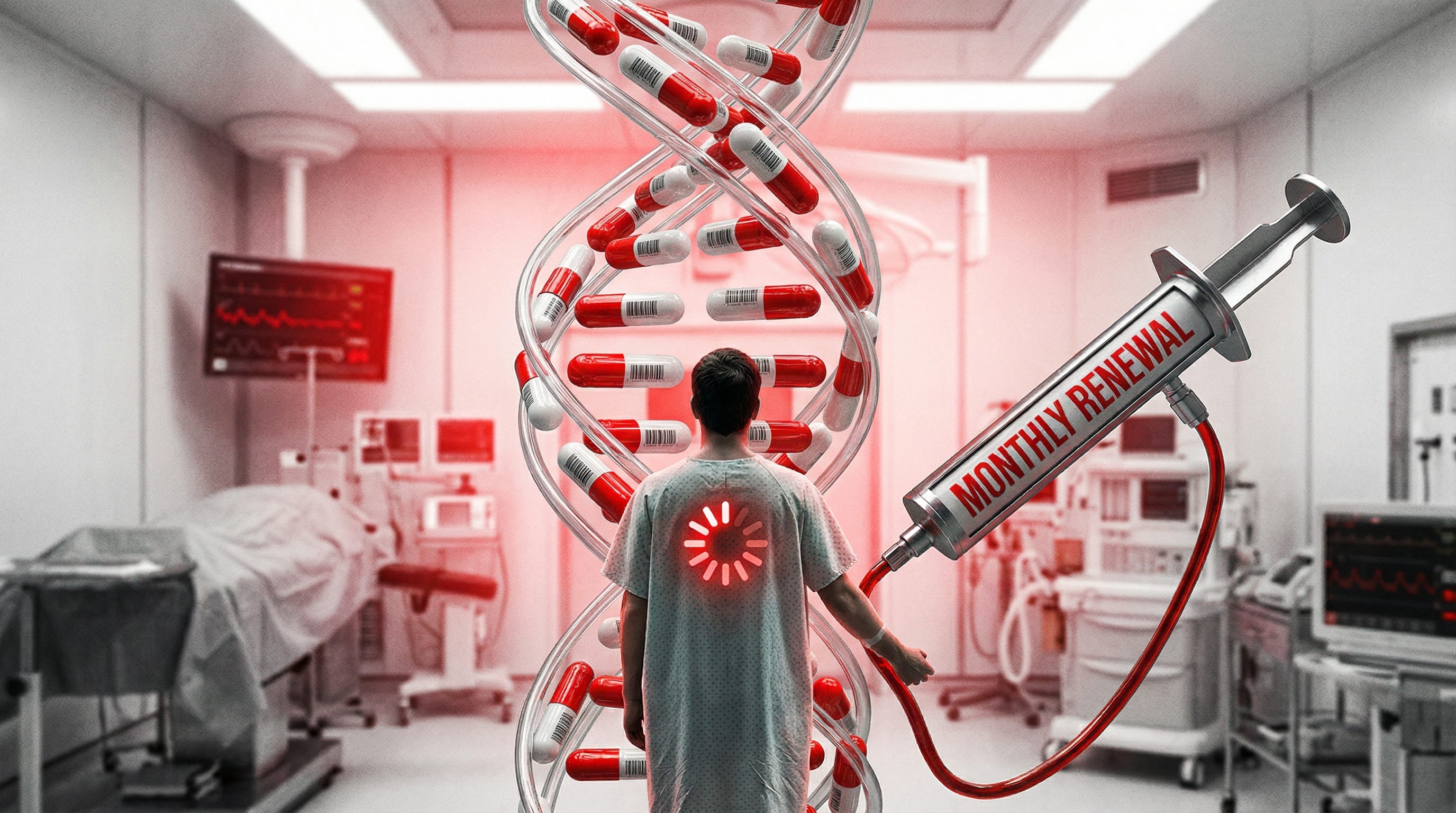
If the Triad of Survival encloses your environment, the Biological Siege encloses your body.
The pharmaceutical industry faces the exact “Crisis of Success” we mapped in Episode 5 (No Cure for Profit).
In 2018, Goldman Sachs asked the quiet part out loud in a biotech report: “Is curing patients a sustainable business model?”
The answer was “No.”
When Gilead cured Hepatitis C, their revenue collapsed. They deleted their own customer base.
The system learned from this “mistake.”
The future of medicine is not the Cure; it is the Subscription.
It is the shift to “Chronic Disease Management.”
It is the reliance on drugs that must be taken daily, forever, to maintain baseline function.
It is the “Biotech as SaaS” (Software as a Service) model.
They need you alive (paying).
They need you sick (dependent).
They do not need you healthy (free).
THE FINANCIAL LEASH
(THE SUBSCRIPTION TO MONEY)
(Source Intel: “BNPL Data Mining & Psychological Impact”)
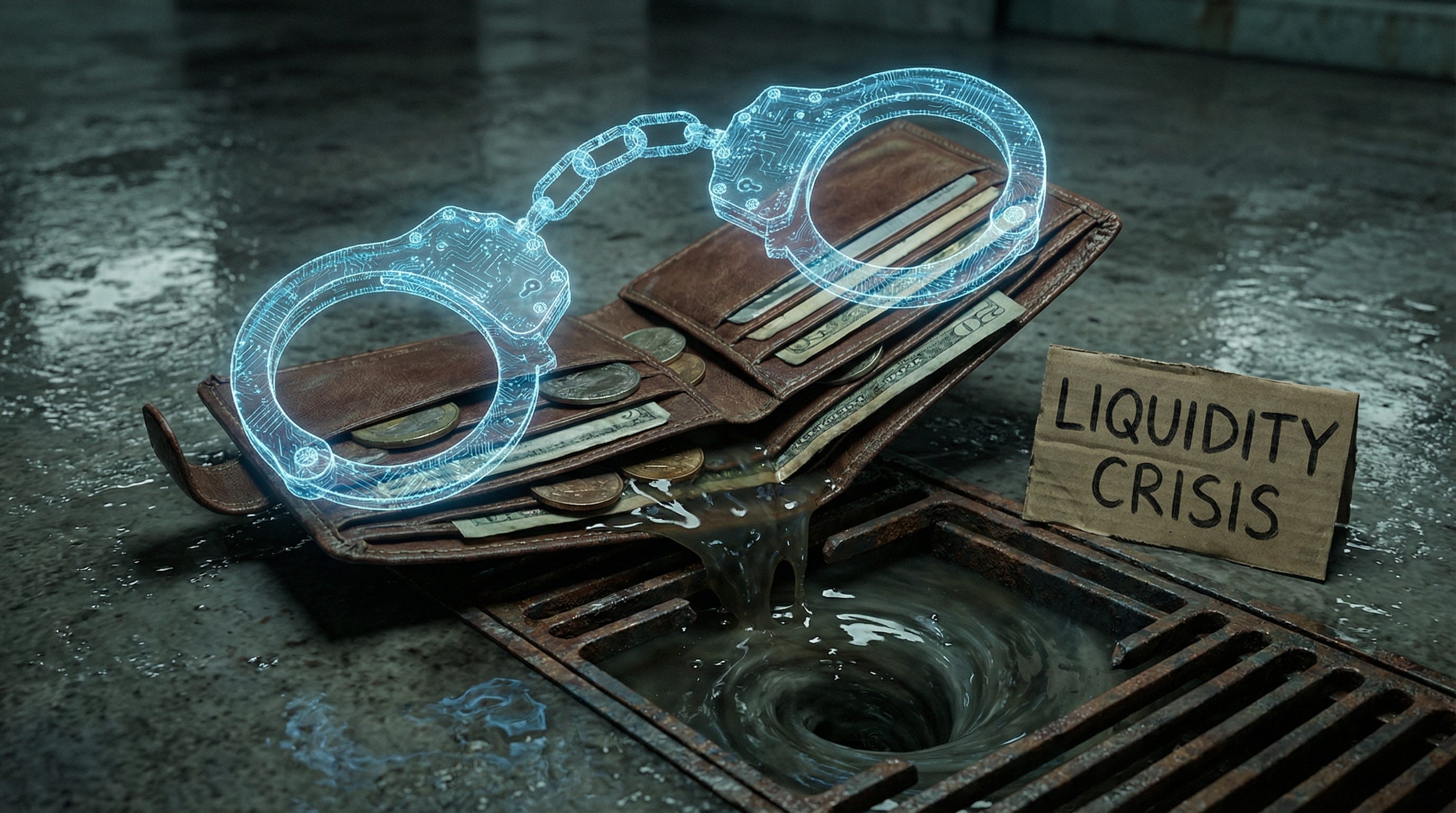
Finally, they came for your wallet.
Or rather, they came for your liquidity.
“Buy Now, Pay Later” (BNPL) services like Affirm and Klarna are marketed as “democratizing credit.”
Forensic Verdict: This is the final evolution of the Financial Siege (Episode 6). It is a subscription to money itself.
When you use BNPL to buy groceries—which millions now do—you are paying a fee to access the liquidity required to stay alive.
This is the ultimate enclosure.
Wages are suppressed below the cost of survival.
The “Subscription to Money” fills the gap.
The result is a population that is not just in debt, but is renting their own purchasing power.
THE VERDICT: THE LIQUIDATION
(WHY?)
Why do this?
Why strip-mine the host until it collapses?
Why destroy the middle class that buys the products?
Because they aren’t planning to stay.
This is the hardest truth of Episode 7.
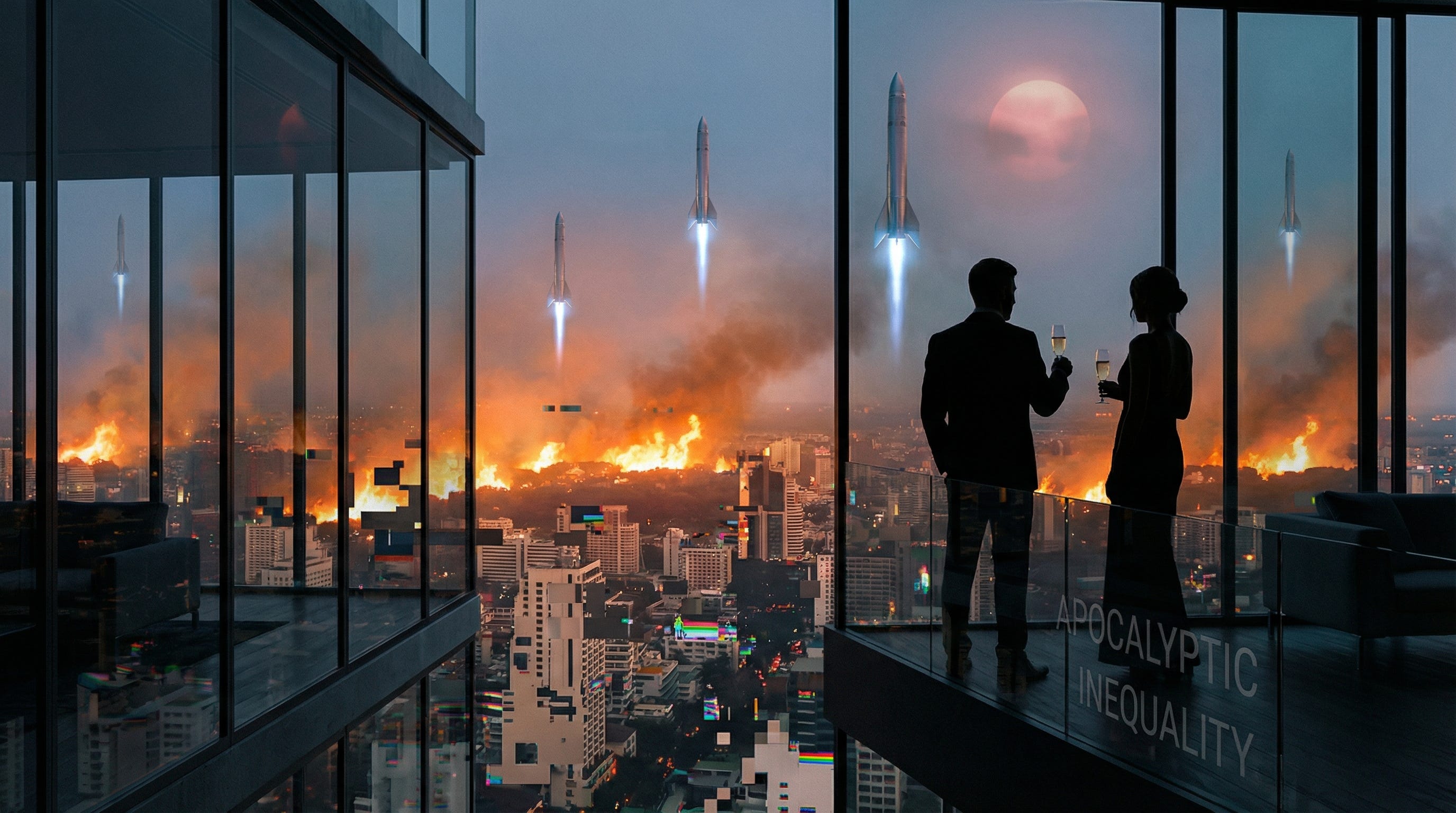
The elites running this extraction engine—the “Rust”—are not incompetent captains trying to save the ship.
They are pirates scuttling the vessel.
Look at their behavior.
They are building bunkers in New Zealand.
They are obsessing over Mars colonies.
They are pouring billions into “Life Extension” and “TESCREAL” fantasies.
They know the Subscription Model is unsustainable. They know you can’t extract more blood than the host has.
They don’t care.
They are liquidating the assets of Western Civilization to fund their Exit Strategy.
The “Usership Reality” is just the mechanism they are using to squeeze the last drop of value out of us before they close the account.
THE SOVEREIGN RESPONSE:
THE UNFINISHED BOOK
(Source Intel: “The SoulMap,” “The Living Storybook,” “The Lexicon,” “The Engine Protocol”)
So, what do we do?
Do we petition for better “Terms of Service”?
Do we vote for a new “System Administrator”?
No.
We stop being Users.
We start being Builders.
This is where the War on Illusion ends, and the Living Storybook begins.
But you must understand one thing about the Storybook before you open it: It is not a manual. It is a challenge.
Over the last six weeks, we have chronicled the tools of our escape, not as theories, but as lived experiences:
From Rika (Part 1: A Hundred Years of Rust), we learned the physics of the Loop. We saw that “Fate” is not a divine decree, but a statistical inevitability of a system designed to fail the same way, every single time. She taught us that a Constructed Miracle isn’t magic; it is the act of studying the blueprint of your own tragedy so closely that you find the one loose bolt that allows you to derail the machine. She showed us that the opposite of despair isn’t optimism—it is engineering.
From Meme (Part 2: The Gears of the Chronicler), we learned the art of the Spy. In an age of total surveillance—where the “Auditor” watches every transaction, every click, and every movement—she taught us that you do not fight the camera by hiding in a hole. You fight it by wearing a Mask. She showed us how to live inside the belly of the beast, collecting a paycheck from the prison while smuggling keys to the prisoners, maintaining a “Secret Garden” in your soul that the algorithm cannot touch.
From Yoko (Part 3: The Three-Layered Prison), we learned that in a world of infinite noise, the most dangerous weapon is Precision. While the culture war wants you drunk on rage and confusion, Yoko taught us the discipline of the Anchor. She showed us that you cannot build a fortress on shifting sand; you must find the “Cold Zero”—the absolute, verifiable truth—and clamp yourself to it. Her lesson is that we do not scream at the storm; we weather it.
From Zoe (Part 4: Educating the Imagination), we learned that the walls of the prison are made of concrete, but the bars are made of Scripts. The system’s greatest victory was not taking our money, but atrophying our ability to imagine a world without it. Zoe taught us that before you can build a new reality, you must have the Imagination to hallucinate it. She taught us that the ultimate rebellion is to look at a strip mall and see a garden, to look at a debt and see a shackle, and to write a new ending to a story the system says is already finished.
But here is the terrifying truth we have to face: The Living Storybook is incomplete.
I don’t just mean in the spiritual sense. I mean it literally.
If you cross-reference the Lexicon of Our Rebellion, you know that the architecture of a “Constructed Miracle” rests on six pillars.
We have only chronicled four.
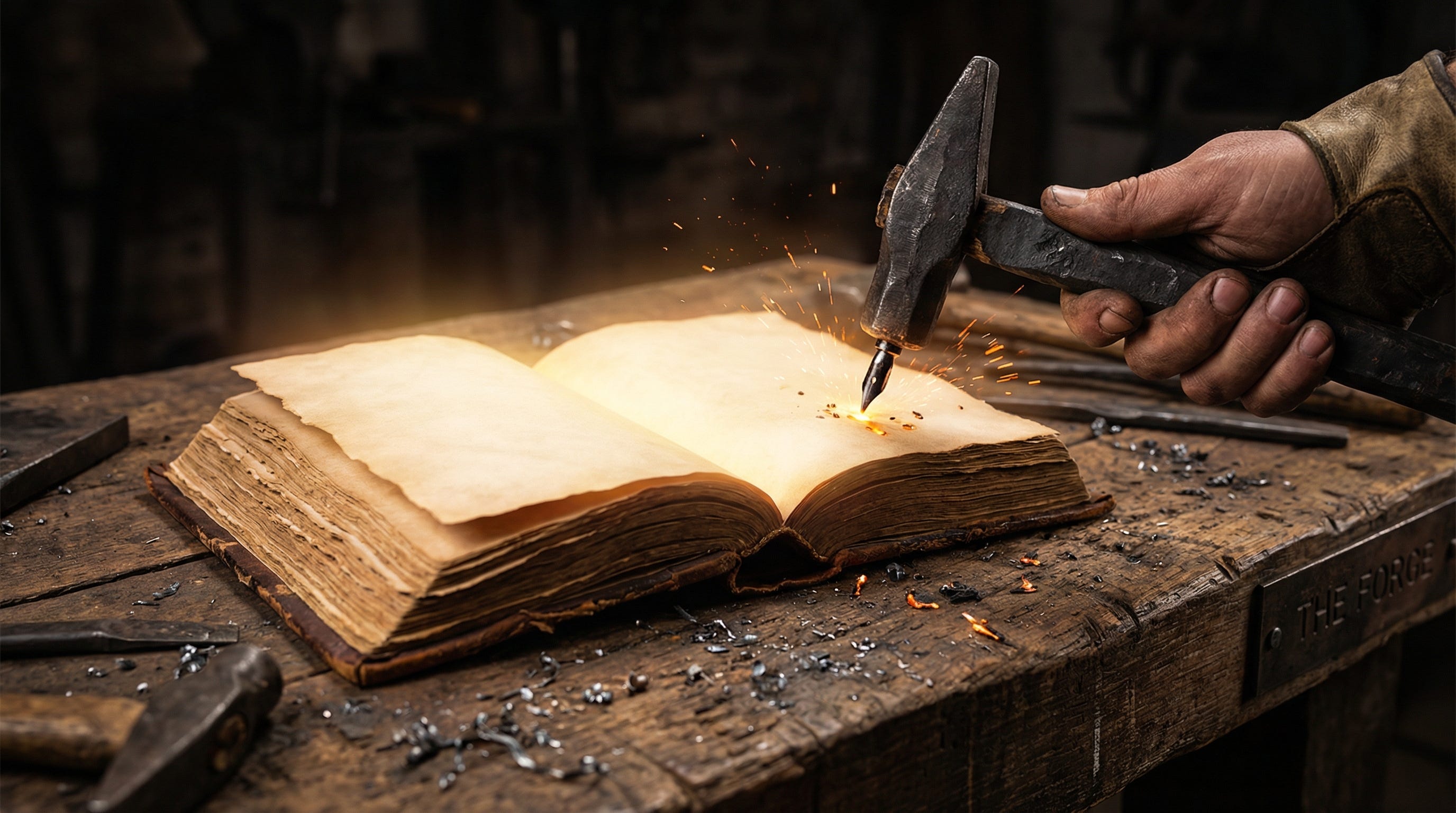
The final two chapters are still blank pages on the drafting table. We haven’t written them because we haven’t lived them yet. We are building the bridge as we cross it, mapping the terrain of the exit in real-time.
But there is a deeper reason for those blank pages.
Before, I tried a strategy of distributed responsibility. I believed that if I simply broadcast the truth, you would individually take up the burden of fighting the system in your own lives. I tried to scatter the seeds of rebellion, hoping they would grow in the cracks of the decentralized web.
It wasn’t enough. The system is too heavy for individuals to lift. Distributed responsibility just leads to distributed exhaustion. The noise of the machine is too loud for any one voice to drown out.
That is why we are shifting doctrine.
We are no longer just looking for an audience; we are looking for a Collaborative Engine.
We are building a vertically aligned network—a Phalanx of imagination and resource that can stand toe-to-toe with the extraction machine. We need new ideas. We need new blueprints. We need to close the loop not by shouting at the storm alone, but by building a shelter that can outlast it together.
The “Subscription Reality” wants you to wait for the update. It wants you to wait for the hero, the politician, or the savior to deliver the ending.
But a User waits for content. A Sovereign creates it.
The reason the Storybook is unfinished is because you haven’t written your entry yet.
We have mapped the prison. We have forged the keys.
But we cannot walk through the door for you.
The “Constructed Miracle” is not a product you subscribe to. It is a reality you must build, brick by brick, in your own community, with your own hands.
The War on Illusion is over. We know what they are doing. We know how the trick works.
We are done watching the show.
It is time to pick up the pen.
It is time to finish the book.
News: I’ve been fired.
Update: I’m just getting started.
The job is gone, which means I now work for you—not the corporation. Most of my work will always be free. But if you find value in these reports and want to keep the lights on in the bunker now that the paycheck is gone... Please, go paid below.
Let's build something they can't fire us from.


